Caribbean Travel Tips
How to Protect Yourself from the Sun

Nov
Winter in the Caribbean may look different from winter in colder destinations. Instead of snow, freezing temperatures, and heavy coats, many islands experience warm days, sunny skies, and comfortable outdoor conditions. However, the tropical climate does not eliminate the risks associated with sun exposure.
Whether you live in the Caribbean or plan to visit during the winter months, protecting your skin and eyes should remain part of your daily routine. Ultraviolet (UV) radiation can damage the skin even when temperatures feel mild or the sky appears cloudy. Spending time at the beach, enjoying outdoor activities, or simply walking around town can result in significant exposure.
The World Health Organization (WHO) explains that people living in tropical regions may need protection from UV radiation throughout the year. Understanding these risks makes it easier to enjoy the Caribbean winter while maintaining healthy sun protection habits.
1. Understand Why Winter Sun Exposure Still Matters
One common misconception is that sun protection becomes less important during winter. Although UV radiation levels change throughout the year, they do not disappear when the seasons change.
In the Caribbean, proximity to the equator contributes to relatively high UV exposure. Even during the winter months, residents and visitors can experience strong sunlight capable of causing sunburn and long-term skin damage.
Two types of ultraviolet radiation are particularly important:
- UVA rays: These penetrate deeper into the skin and contribute to premature aging, wrinkles, and other forms of skin damage.
- UVB rays: These primarily affect the outer layers of the skin and are responsible for most sunburns. They also contribute to skin cancer development.
Both types can affect your skin during outdoor activities. Therefore, winter should not be considered a break from sun protection.
Understanding how UV radiation works is the first step toward making better decisions about sunscreen, clothing, and outdoor activities.
2. Apply Sunscreen Every Day
Using sunscreen consistently is one of the most effective ways to reduce UV exposure. Even when the weather feels comfortable, exposed skin remains vulnerable to sunlight.
Choose a broad-spectrum sunscreen with an SPF of at least 30. Broad-spectrum products help protect against both UVA and UVB radiation.
For everyday use, consider these application recommendations:
- Apply sunscreen to all exposed skin before going outdoors.
- Pay attention to commonly missed areas, including your ears, neck, hands, and feet.
- Apply sunscreen approximately 15 minutes before sun exposure, following the product instructions.
- Reapply at least every two hours when outdoors.
- Reapply after swimming, sweating, or drying yourself with a towel.
People who spend time at Caribbean beaches or participate in water activities should consider water-resistant sunscreen. However, water resistance does not mean a product provides permanent protection.
Remember that sunscreen should complement other protective measures rather than replace them. It is not designed to make prolonged exposure to direct sunlight safe.
3. Wear Protective Clothing
Your clothing choices can make a significant difference in how much UV radiation reaches your skin. While lightweight summer outfits are common throughout the Caribbean, some fabrics and styles offer better protection than others.
During winter, consider wearing lightweight garments that cover your shoulders, arms, and legs when spending extended periods outdoors.
Look for tightly woven fabrics or clothing specifically designed with an Ultraviolet Protection Factor (UPF) rating. UPF indicates how effectively a fabric blocks ultraviolet radiation.
Some practical clothing choices include:
- Lightweight, long-sleeved shirts for outdoor activities.
- Breathable trousers or longer skirts for extended periods outside.
- Rash guards for swimming, snorkeling, and other water activities.
- Lightweight cover-ups when walking around beaches or resorts.
Comfort is important in tropical environments. Choose breathable materials that allow airflow while providing adequate coverage.
Protective clothing is particularly useful when spending several hours outdoors because it reduces the amount of exposed skin that requires sunscreen.
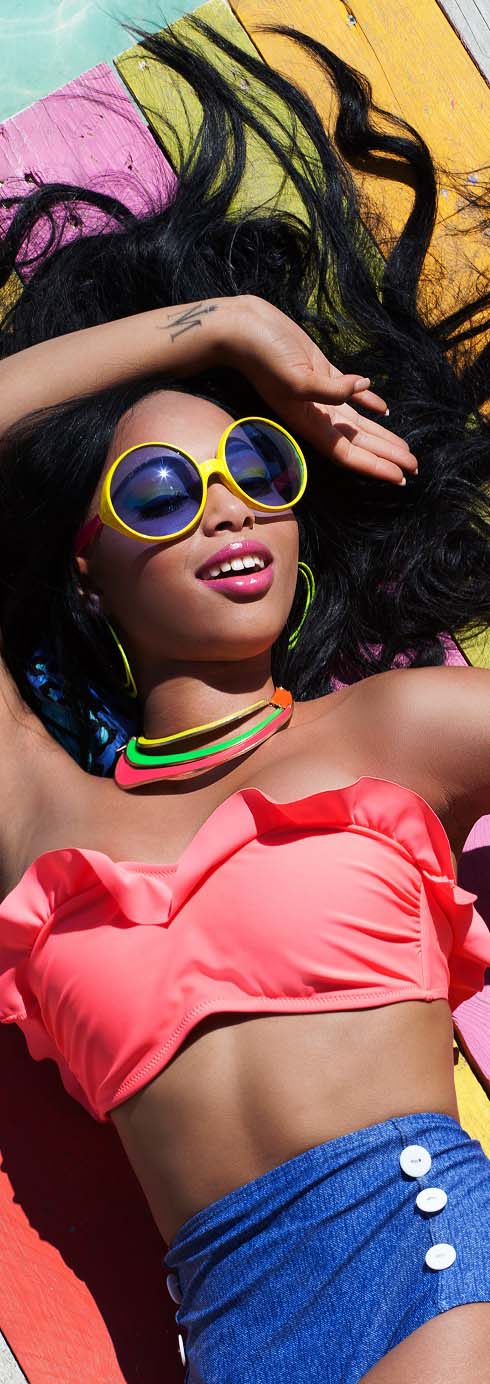
4. Protect Your Eyes With UV-Blocking Sunglasses
Sun protection should include your eyes, not just your skin. Prolonged exposure to ultraviolet radiation can contribute to eye damage and increase the risk of certain eye conditions.
This is particularly relevant in the Caribbean, where sunlight reflects off the ocean, swimming pools, and sandy beaches.
When choosing sunglasses, look for products labeled UV400 or 100% UV protection. These labels indicate protection against both UVA and UVB radiation.
A few additional considerations can help you choose appropriate eyewear:
- Select sunglasses that provide complete UVA and UVB protection.
- Consider wraparound frames that reduce sunlight entering from the sides.
- Choose comfortable frames that you can wear throughout the day.
- Check the UV protection label rather than judging sunglasses by how dark their lenses appear.
For example, men’s sunglasses should combine appropriate UV protection with a comfortable fit for everyday activities. The same considerations apply to sunglasses for women and children.
A wide-brimmed hat can provide additional protection by reducing direct sunlight reaching your eyes and surrounding skin.
5. Avoid Extended Sun Exposure During Peak Hours
The timing of your outdoor activities can influence how much UV radiation you receive.
UV levels are generally strongest around midday, although the exact timing and intensity depend on location, season, and weather conditions.
The Centers for Disease Control and Prevention (CDC) recommends limiting direct sun exposure during periods when UV radiation is strongest.
In practical terms, consider adjusting your outdoor schedule:
- Plan beach visits earlier in the morning or later in the afternoon.
- Schedule outdoor exercise during less intense sunlight.
- Take regular breaks in shaded areas.
- Avoid spending prolonged periods under direct sunlight around midday.
This does not mean you need to avoid outdoor activities entirely. Instead, organizing your schedule around periods of lower UV intensity can help reduce unnecessary exposure.
If you need to spend time outside during peak hours, combine sunscreen, protective clothing, sunglasses, and shade.
6. Look for Shade at Beaches and Outdoor Locations
Finding shade is another important part of protecting yourself from the sun. Caribbean destinations offer many opportunities to enjoy outdoor environments without remaining under direct sunlight.
Beach umbrellas, covered terraces, trees, and shaded seating areas can help reduce exposure.
However, shade does not eliminate UV radiation completely. Some ultraviolet rays are scattered through the atmosphere or reflected by surrounding surfaces.
This is particularly important near the ocean. According to the WHO, dry beach sand reflects approximately 15% of incident UV radiation, while sea foam reflects around 25%.
Consequently, sitting under an umbrella does not guarantee complete protection.
For better results, combine shaded areas with sunscreen and protective clothing. This approach is especially useful when spending several hours at the beach, attending outdoor events, or enjoying activities near the water.
7. Check the UV Index Before Planning Outdoor Activities
The UV Index measures the strength of ultraviolet radiation at a particular location and time. Checking it can help you understand when additional protection is necessary.
Weather applications and official meteorological services often provide daily UV forecasts.
The international UV Index scale includes five general categories:
- Low (0–2): UV exposure presents a relatively low risk for most people.
- Moderate (3–5): Protective measures become important, particularly during extended outdoor activities.
- High (6–7): Seek shade, wear protective clothing, and apply sunscreen.
- Very High (8–10): Unprotected skin and eyes can experience damage quickly.
- Extreme (11+): Take additional precautions and minimize direct sun exposure.
In tropical destinations, high and very high UV levels can occur even during winter.
Checking the UV Index before going hiking, swimming, sightseeing, or spending the afternoon outdoors allows you to prepare accordingly.
8. Remember That Cloudy Days Still Require Protection
Cloud cover can create a false sense of security. When the sun is not directly visible, people often assume their skin is no longer exposed to harmful radiation.
However, clouds do not completely block UV rays. Depending on atmospheric conditions, significant amounts of ultraviolet radiation can still reach the Earth’s surface.
This is particularly relevant during the Caribbean winter, when occasional showers and cloudy afternoons can change the appearance of the weather without eliminating UV exposure.
Continue applying sunscreen and wearing protective accessories even when the sky looks overcast.
Similarly, a cool breeze should not determine whether you need sun protection. Air temperature and UV intensity are different measurements.
9. Pay Attention to Your Skin After Sun Exposure
Monitoring your skin is an important part of maintaining long-term sun safety.
Sunburn is an obvious warning sign, but UV-related damage can occur without immediate redness or discomfort.
After spending time outdoors, pay attention to changes such as persistent redness, unusual spots, or changes in existing moles.
If you experience a sunburn, move away from direct sunlight and use cool compresses to soothe the affected area. Drink water to maintain hydration and avoid additional exposure while your skin recovers.
You should also consider regular skin examinations, particularly if you have a history of frequent sunburns, extensive sun exposure, or skin cancer.
Consult a healthcare professional or dermatologist if you notice new or changing skin lesions. Early evaluation can help identify potential problems.
10. Make Sun Protection Part of Your Winter Routine
Enjoying winter in the Caribbean does not require spending less time outdoors. Beaches, nature trails, outdoor restaurants, and water activities remain important parts of the region’s lifestyle.
The key is developing habits that reduce unnecessary UV exposure without limiting your enjoyment of these experiences.
Keep sunscreen accessible, wear appropriate clothing, protect your eyes, and check the UV Index before planning outdoor activities. Remember that children and people with sensitive skin may require additional attention when spending time outside.
Sun protection is not exclusively a summer concern. In tropical destinations, consistent precautions throughout the year help reduce the risk of sunburn, premature skin aging, and long-term skin damage.
By making these practices part of your everyday routine, you can enjoy the Caribbean winter more comfortably while taking better care of your skin and eyes.
RELATED PRODUCTS