
Caribbean Lifestyle
How to Renovate Your Home in the Best Caribbean Style
Nov
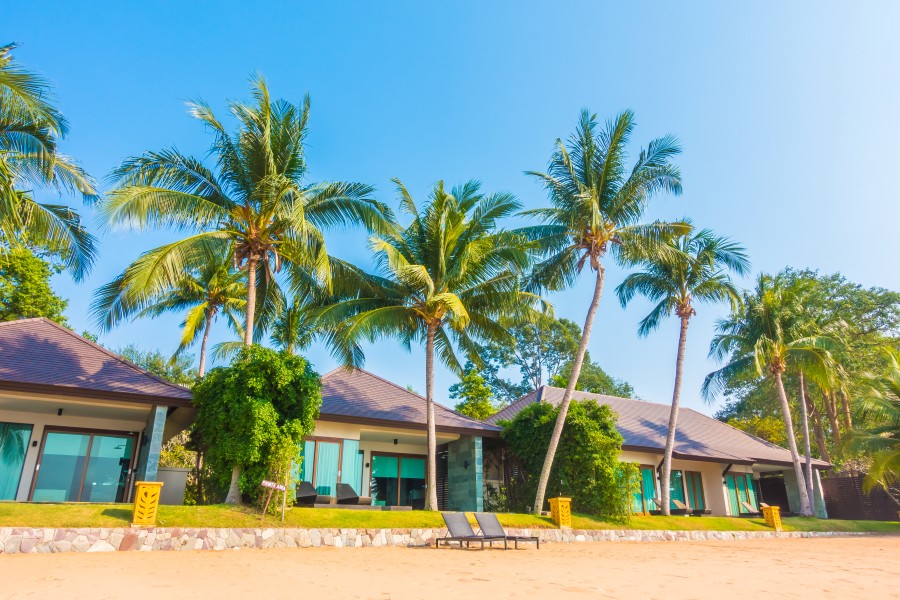
The Caribbean is synonymous with sunshine, turquoise waters, lush tropical landscapes, and a relaxed way of life. Its distinctive architectural and interior design traditions capture that atmosphere, combining vibrant colors, natural materials, traditional craftsmanship, and spaces that blur the boundaries between indoors and outdoors.
Bringing Caribbean style into your home is about much more than choosing tropical-inspired decorations or painting the walls in bright colors. It is about creating an inviting, light-filled environment that feels connected to nature while remaining comfortable, functional, and timeless.
Whether you are planning a complete renovation or simply looking to refresh a few rooms, incorporating Caribbean-inspired elements can transform your property into a warm and welcoming retreat. Here are some practical ways to achieve the look.
1. Embrace a Tropical Color Palette
Color is one of the most recognizable features of Caribbean-inspired interiors. Traditional Caribbean homes often combine light-colored walls with colorful architectural details, shutters, doors, and decorative elements.
Start with a neutral foundation. White, cream, ivory, and soft beige are excellent choices for walls because they reflect natural light and make rooms feel larger and more open. These shades also provide the perfect backdrop for introducing stronger colors throughout the home.
For accent colors, look to the natural Caribbean landscape. Turquoise, ocean blue, coral, palm green, sunny yellow, and terracotta can bring personality and energy into a space without making it feel overwhelming.
You do not need to use every color at once. Instead, select two or three complementary shades and distribute them thoughtfully throughout the interior. For example, a white living room with turquoise cushions, natural wood furniture, and a few coral-colored accessories can create a distinctly tropical atmosphere while maintaining an elegant appearance.
Exterior renovations can also benefit from this approach. A pastel-colored entrance door, colorful window shutters, or a freshly painted veranda can give your property an unmistakable Caribbean character.
2. Choose Natural Materials and Textures
One of the secrets behind the Caribbean aesthetic is its connection with the natural environment. Wood, stone, rattan, bamboo, jute, and woven fibers help create interiors that feel organic, relaxed, and welcoming.
When renovating, consider replacing overly polished or artificial-looking finishes with materials that introduce warmth and texture.
Natural wood is particularly versatile. It works beautifully in flooring, ceiling beams, doors, kitchen cabinetry, and furniture. Lighter woods can make a room feel airy, while darker finishes introduce depth and a more traditional character.
Rattan and wicker are also excellent choices. A woven armchair, pendant light, decorative basket, or dining chair can instantly soften a contemporary interior. These materials work particularly well when combined with linen upholstery and cotton textiles.
Stone and terracotta can add another dimension to the design. Consider using natural stone for countertops, decorative walls, or outdoor flooring. Terracotta tiles can also introduce warmth and an authentic Mediterranean-Caribbean feel.
The key is to combine different textures rather than relying on a single material. A wooden dining table, woven chairs, linen curtains, and stone accessories can create a balanced interior that feels sophisticated without being overly formal.
3. Create Open and Airy Living Spaces
Caribbean architecture has traditionally responded to warm temperatures, abundant sunlight, and natural trade winds. Verandas, covered terraces, large openings, and carefully positioned windows are important elements of this architectural tradition.
You can incorporate these principles into your renovation by prioritizing openness and natural light.
If your budget and property structure allow it, consider opening up the kitchen and living room to create a more spacious environment. Removing unnecessary partitions can improve the flow between different areas and make the entire home feel more connected.
Large windows and glass doors are another effective solution. They allow daylight to enter and create visual connections with gardens, patios, and outdoor spaces.
However, an authentic tropical home should not simply maximize glass surfaces. Shade and ventilation are equally important. Window shutters, adjustable louvers, covered patios, and appropriate overhangs can help control direct sunlight while maintaining airflow.
Ceiling fans are also a practical addition, especially in living rooms and bedrooms. They complement the tropical aesthetic while improving air circulation.
4. Transform Your Outdoor Spaces into Tropical Retreats
Outdoor living is an essential part of Caribbean-inspired design. A patio, balcony, garden, or veranda should feel like a natural extension of the interior rather than a separate area used only occasionally.
Start by creating comfortable seating arrangements. Outdoor sofas, wooden benches, lounge chairs, and woven furniture can make the space more inviting. Choose fabrics specifically designed for outdoor use, particularly in humid or rainy climates.
Next, introduce tropical vegetation. Palm varieties suitable for your climate, bird of paradise, hibiscus, ferns, and other lush plants can bring color and visual interest to the garden. Choose species according to your local growing conditions rather than assuming every tropical plant will thrive in your area.
Lighting can make a significant difference. Warm outdoor lanterns, subtle wall lights, and decorative pendant fixtures create an inviting atmosphere after sunset.
If space permits, consider adding a pergola, shaded dining area, or outdoor kitchen. These features encourage you to enjoy the outdoors throughout the year and make your property feel more like a private island retreat.
5. Incorporate Caribbean-Inspired Art and Decorative Details
A beautiful Caribbean-inspired home should reflect the region’s artistic traditions and cultural diversity. Its identity comes from a rich combination of Indigenous, African, European, and other cultural influences expressed through architecture, craftsmanship, textiles, and visual art.
Artwork is an excellent way to introduce these influences without undertaking major structural renovations.
Consider displaying paintings inspired by tropical landscapes, coastal scenery, local architecture, and Caribbean wildlife. A handmade oil painting can become a striking focal point in a living room, dining area, or hallway, adding personality and a sense of individuality to the space.
Handcrafted decorative objects are equally important (Check our site!). Ceramic vases, carved wooden sculptures, woven baskets, handmade pottery, and traditional textiles can introduce character and authenticity.
Avoid filling every available surface with decorative accessories. Instead, select a few meaningful pieces and give them enough space to stand out.
The goal is to create an interior that feels collected over time rather than decorated all at once.
6. Renovate Your Kitchen with a Tropical Touch
The kitchen is often the heart of a Caribbean home, where cooking, entertaining, and spending time with family naturally come together.
To introduce a tropical aesthetic, start with cabinetry. White, cream, pale green, and natural wood finishes work particularly well. If you prefer something more distinctive, consider using a colorful kitchen island as a statement feature.
Natural stone or textured countertops can complement wooden cabinets, while open shelving provides an opportunity to display ceramic dishes, glassware, and woven baskets.
Lighting is another important consideration. Pendant lights made from rattan or natural fibers can introduce warmth above a kitchen island or dining table.
For a more contemporary interpretation, combine clean cabinetry and modern appliances with traditional materials and carefully selected decorative details.
Functionality should remain a priority. Choose durable, easy-to-clean surfaces and materials that can withstand humidity, cooking temperatures, and everyday use.
7. Design a Relaxing Caribbean-Inspired Bedroom
A Caribbean-style bedroom should feel like a peaceful escape from everyday life. Think light fabrics, natural textures, soft colors, and minimal visual clutter.
Begin with the bed. Linen and cotton bedding in white, sand, or pale blue can create a fresh and relaxing atmosphere. Add a few cushions in tropical patterns or complementary colors for visual interest.
A wooden or rattan headboard can become the centerpiece of the room. Alternatively, a simple upholstered headboard combined with natural bedside furniture offers a more contemporary interpretation.
Curtains should be lightweight enough to allow natural light into the room while still providing privacy. If your bedroom receives strong sunlight, combine decorative curtains with appropriate blinds or shutters.
Keep accessories relatively simple. A woven pendant light, a small ceramic vase, tropical artwork, and a few carefully chosen plants can complete the look without making the room feel crowded.
8. Prioritize Comfort, Sustainability, and Practical Renovations
A successful Caribbean-inspired renovation should look beautiful while responding to the practical demands of the local climate.
Humidity, intense sunlight, heavy rainfall, and seasonal storms can all influence the performance and durability of building materials. Therefore, it is important to choose finishes and construction solutions that are appropriate for your location.
Prioritize moisture-resistant materials in bathrooms and kitchens, suitable exterior paints, durable outdoor furniture, and flooring that can withstand frequent cleaning and humidity.
Consider energy efficiency as part of the renovation. Proper insulation, shaded windows, reflective roofing materials, and efficient ventilation can help reduce heat gain and improve indoor comfort.
Where possible, choose sustainably sourced wood, locally produced decorative pieces, and durable materials that will not need frequent replacement.
If your renovation involves structural changes, roofing, exterior openings, or electrical work, consult qualified professionals and follow local building codes. In hurricane-prone regions, protective shutters and properly engineered windows and doors are particularly important.
9. Bring Everything Together with a Balanced Design
The most successful Caribbean-inspired homes do not necessarily reproduce a traditional island property in every detail. Instead, they reinterpret its defining characteristics in a way that complements the architecture, lifestyle, and personal preferences of the homeowner.
You can combine contemporary furniture with traditional craftsmanship, neutral interiors with colorful accents, and modern technology with natural materials.
Consistency is important. Choose a palette and a selection of materials that can be repeated throughout the house, creating a sense of continuity between rooms.
At the same time, allow individual spaces to have their own character. A colorful kitchen, a serene bedroom, and a lively outdoor entertaining area can all belong to the same design concept.
Create Your Own Caribbean Escape
Renovating your home in Caribbean style is an opportunity to bring warmth, color, nature, and a more relaxed atmosphere into your everyday surroundings.
From incorporating natural materials and tropical plants to creating open living areas and selecting meaningful artwork, even relatively small changes can make a noticeable difference.
The secret is to focus on more than appearances. A truly Caribbean-inspired home should be comfortable, welcoming, connected to its surroundings, and designed for enjoying everyday moments.
Whether you embrace colorful island influences or prefer a more understated tropical aesthetic, the result should reflect your personality while capturing the timeless charm of Caribbean living.
RELATED PRODUCTS