Caribbean Travel Tips
What to Consider When Traveling from North America to the Caribbean

Sep
Traveling from North America to the Caribbean can be an easy and rewarding way to enjoy warm weather, beautiful beaches, diverse cultures, and unforgettable outdoor experiences. From Puerto Rico and the U.S. Virgin Islands to the Dominican Republic, Jamaica, Barbados, and the smaller islands of the Lesser Antilles, the Caribbean offers destinations for almost every type of traveler.
However, traveling to the Caribbean is not exactly the same as taking a domestic trip within North America. Entry requirements, weather conditions, transportation, health considerations, currency, and local customs can vary considerably from one island to another.
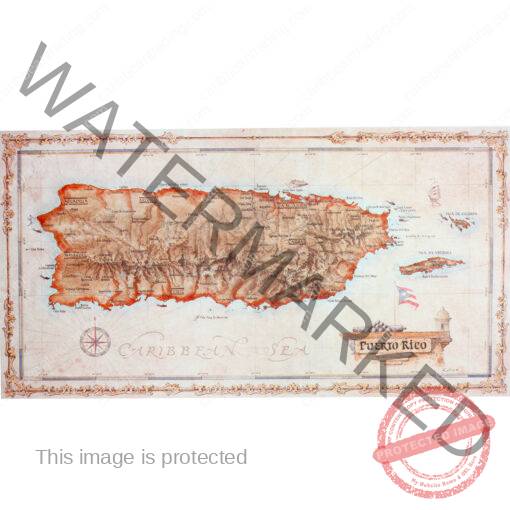
Puerto Rico provides a useful starting point for understanding what travelers should expect. As a U.S. territory in the Caribbean, Puerto Rico combines many familiar aspects of traveling within the United States with the distinct culture, climate, geography, and lifestyle of the Caribbean.
Understand the Entry Requirements Before You Travel
One of the most important things to consider when traveling from North America to the Caribbean is that entry requirements depend on your destination and nationality.
Puerto Rico is a particularly convenient example for U.S. travelers. Because it is a U.S. territory, U.S. citizens traveling from the mainland do not need a passport to enter Puerto Rico. Travelers can generally use a valid REAL ID-compliant identification document, although carrying a passport can still be useful if you plan to continue to another Caribbean destination.
The situation changes when traveling to an independent Caribbean country. Passport requirements, visa policies, permitted lengths of stay, and other entry conditions can differ between destinations. Travelers should check the official government website or embassy of the country they intend to visit before departure.
The U.S. Department of State also recommends checking destination-specific travel advisories, which can provide information about entry requirements, safety conditions, health considerations, and other issues that could affect an international trip.
Check Requirements for Every Island on Your Itinerary
A multi-island vacation requires additional planning. Do not assume that the requirements for Puerto Rico automatically apply to neighboring destinations.
For example, someone flying from the United States to Puerto Rico and then continuing to another Caribbean country may encounter a different immigration process at the second destination. If you are planning a cruise or island-hopping trip, check the requirements for every country or territory on your itinerary.
This is especially important for travelers who are not U.S. or Canadian citizens. A traveler who can enter one destination without a visa may need a visa or electronic travel authorization for another.
Plan Around the Caribbean Climate
Weather is another major consideration when traveling from North America to the Caribbean. The region is known for warm temperatures throughout much of the year, but tropical weather can change quickly.
Puerto Rico, for example, generally experiences warm conditions year-round, with temperatures commonly ranging from approximately 70°F to 90°F. The island also experiences a wetter period during part of the year.
Hurricane season officially runs from June 1 through November 30 in the Atlantic, Caribbean, and Gulf of Mexico. That does not mean every trip during these months will be affected by a hurricane, but travelers should monitor forecasts and remain flexible when visiting during this period.
Consider More Than Temperature
Travelers from colder parts of North America often focus on escaping winter temperatures, but tropical weather involves more than simply checking the temperature.
Humidity, heavy rainfall, strong sun, ocean conditions, and tropical storms can all influence your plans. A beach day may need to be replaced by a cultural attraction, museum visit, restaurant experience, or indoor activity if conditions change.
Travel insurance that includes appropriate trip interruption or cancellation coverage can also be worth considering, particularly for expensive vacations or travel during hurricane season.
Think About Transportation Before Arriving
The Caribbean is made up of islands and coastal destinations, so transportation can work differently from what travelers are accustomed to in larger North American cities.
Puerto Rico is relatively easy to access, with San Juan serving as a major transportation hub and direct flights connecting the island with cities in the United States.
Once there, transportation depends heavily on where you stay. In the San Juan metropolitan area, travelers can use taxis, rideshare services, buses, and other transportation options. For visitors planning to explore smaller towns, beaches, mountainous areas, or different regions of the island, renting a car may provide considerably more flexibility.
Other Caribbean islands can have different transportation networks. Some destinations are easy to explore by taxi or public transportation, while others are better suited to rental cars, ferries, or domestic flights.
Before booking accommodation, consider how you will move between the airport, hotel, attractions, beaches, and restaurants. A property that looks inexpensive online may become less convenient if transportation costs are high.
Prepare for Connectivity and Mobile Service
Staying connected is another practical consideration. Travelers often need their phones for navigation, transportation apps, reservations, translation, emergency communication, and finding local information.
Puerto Rico is relatively straightforward for U.S. travelers because many U.S. mobile plans work there without requiring an international plan.
Travelers crossing between North America and multiple Caribbean countries should confirm their carrier’s international roaming policies before leaving. Depending on your itinerary, an eSIM can also be a practical option. Someone traveling extensively across the region might compare local connectivity options with flexible eSIM plans before departure, particularly to check if it provides the required service between destinations.
Do not rely exclusively on mobile data, however. Download important maps, reservations, boarding passes, and travel documents before traveling. Internet service can vary, especially when visiting smaller islands or remote coastal areas.
Consider Currency and Payment Methods
Currency is another area where the Caribbean is not uniform. Different countries and territories use different currencies, although U.S. dollars are widely accepted in some destinations.
Puerto Rico uses the U.S. dollar, which makes financial planning particularly simple for travelers from the United States. Most establishments accept credit cards, although travelers may still encounter smaller businesses or vendors that prefer cash.
When visiting other Caribbean destinations, research the local currency before departure. Check whether credit cards are commonly accepted and whether your bank charges foreign transaction fees.
It is generally sensible to carry a modest amount of local currency for taxis, small purchases, markets, tips, or businesses in areas where card payments may not be available.
Pay Attention to Health and Travel Insurance
Health preparation should also be part of your Caribbean travel plans. Travelers should check current recommendations from reputable health authorities before departure rather than relying on general assumptions about tropical destinations.
The CDC recommends reviewing destination-specific health information because requirements and recommendations can vary. Vaccination or health requirements may also differ when traveling between multiple Caribbean countries, making it important to check each destination individually.
Travelers should also think about sun exposure, hydration, insect protection, and food and water precautions where appropriate. Basic travel essentials such as sunscreen, insect repellent, prescription medications, and a small first-aid kit can be particularly useful.
Travel insurance may provide additional protection for medical emergencies, trip interruptions, cancellations, or lost luggage. The right coverage depends on your destination and the activities you plan to undertake.
Respect Caribbean Culture and Local Communities
A Caribbean vacation should be more than a trip to a beach. The region contains an extraordinary variety of languages, histories, traditions, cuisines, music, and cultural identities.
Puerto Rico illustrates this diversity particularly well. The island’s cultural heritage has been shaped by Taíno, Spanish, and African influences, creating traditions that are distinctly Puerto Rican. Spanish and English are both official languages, and visitors can experience everything from historic architecture in Old San Juan to local food, music, festivals, and rural communities.
Travelers should approach Caribbean destinations with curiosity and respect. Learn a few local expressions, support locally owned restaurants and businesses, follow community guidelines, and avoid treating local culture as simply another tourist attraction.
Responsible tourism also matters environmentally. Coral reefs, mangroves, beaches, forests, and marine ecosystems are essential parts of the Caribbean’s natural and economic landscape. Visitors can help protect these environments by reducing plastic waste, respecting wildlife, avoiding damage to coral and vegetation, and following rules in protected areas.
Build Flexibility Into Your Itinerary
Finally, leave room for unexpected changes.
Flights can be delayed. Tropical rain can interrupt outdoor activities. Ferries can operate on changing schedules. A beach that was the highlight of your itinerary may be less appealing because of weather, while a local restaurant or historic neighborhood may become an unexpected favorite.
The Caribbean rewards travelers who are prepared but not overly rigid.
Puerto Rico demonstrates why. A single trip can combine beaches, rainforest, historic neighborhoods, mountain communities, food, music, and outdoor adventures.
The best approach is to research the practical details before leaving North America while leaving enough room to experience the destination naturally once you arrive.
Make the Journey Part of the Caribbean Experience
Traveling from North America to the Caribbean can be straightforward, but the best experiences come from understanding the differences between destinations. Entry requirements, weather, transportation, connectivity, health considerations, currency, and local culture should all be part of the planning process.
Puerto Rico offers an accessible introduction to the region, particularly for U.S. travelers, while also demonstrating the cultural and environmental richness that makes the Caribbean unique. Whether your destination is Puerto Rico, Jamaica, the Dominican Republic, Barbados, or a smaller Caribbean island, preparation can make the journey smoother and more enjoyable.
Most importantly, remember that the Caribbean is not a single destination. Each island and country has its own identity, communities, landscapes, and travel considerations. Researching those differences before you go allows you to travel more confidently, support local communities, and enjoy the Caribbean beyond its famous beaches.
RELATED PRODUCTS