Uncategorized
Puerto Rican Handicrafts: A Rich Tradition of Art and Culture
May
Puerto Rican handicrafts are among the island’s most recognizable cultural traditions. From colorful vejigante masks and hand-carved santos to mundillo lace, pottery, and woven goods, these handmade pieces reflect Puerto Rico’s history and cultural identity.
These traditions draw on Taíno, Spanish, and African influences, while individual crafts have developed their own materials, techniques, and cultural meanings. Some are closely connected to religious celebrations and festivals, while others are valued as works of art, everyday objects, or souvenirs.
In this guide, you’ll learn where Puerto Rican handicrafts come from, what the island’s best-known crafts represent, how they are made, and why artisans continue to preserve these traditions today.
Historical Roots of Puerto Rican Handicrafts
The history of Puerto Rican handicrafts reaches back to the pre-Columbian era, when Taíno communities created objects from materials available in their environment. Their craftsmanship included carved figures, tools, vessels, and other objects made from materials such as stone, shell, bone, and wood.
Taíno artistic traditions were closely connected to nature, spirituality, and daily life. One of the best-known examples is the cemí, a sacred figure associated with Taíno religious beliefs. These early traditions form an important part of the cultural history behind Puerto Rico’s later handicrafts.
One of the most important examples of Taíno artistic tradition is the cemí. These sacred objects were associated with Taíno spiritual beliefs and could take different forms, including carved figures made from materials such as stone and wood. Rather than being simply decorative objects, cemíes had religious and cultural significance within Taíno society.
Since the colonial era during the late 15th century, even more materials were introduced into the region, as well as tools and techniques. All of them were adapted by the indigenous people, leading to new, more sophisticated creations.
As mentioned, there’s also a strong African influence, which was introduced during the slavery era. Their amazing traditions enriched the island even more, laying the foundations of today’s very diverse traditions that inspire many locals and outsiders.
As Puerto Rico evolved, regional communities also developed their own artistic styles depending on the natural resources available to them. Coastal areas often specialized in crafts made from coconut, shells, and marine materials, while mountain communities became known for woodworking and textile traditions. This regional diversity continues to shape Puerto Rican handicrafts today.
Types of Puerto Rican Handicrafts
Puerto Rican arts and crafts include religious carvings, festival masks, woven goods, textiles, pottery, and other handmade traditions. Each craft uses different materials and techniques and reflects a particular part of the island’s cultural history. Here are some of the best-known examples.
1. Woodcarvings (Santos)
Woodcarving is one of the best-known forms of Puerto Rican handicraft, particularly the tradition of carving santos. These handmade figures commonly depict saints and other religious figures and became an important part of Puerto Rican folk art during the Spanish colonial period.
Artisans known as santeros carve santos by hand using wood and other materials, adding painted details and symbolic elements to each figure. The tradition developed its own distinctly Puerto Rican style as local artisans adapted European religious imagery to their own artistic practices.
Today, santos are valued both for their religious significance and as examples of Puerto Rican folk art. Because each piece is individually carved and painted, the work of different santeros can have distinctive styles and characteristics.
2. Vejigante Masks
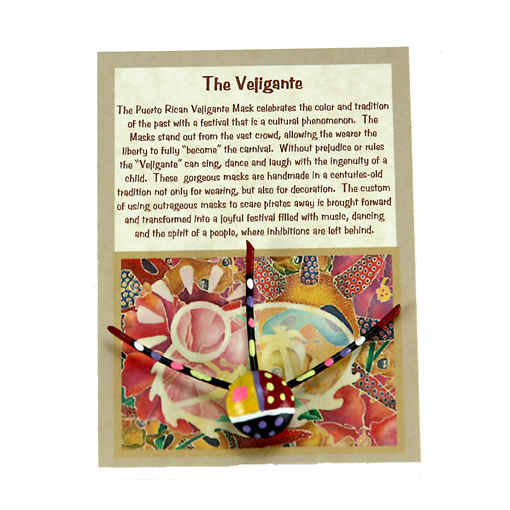
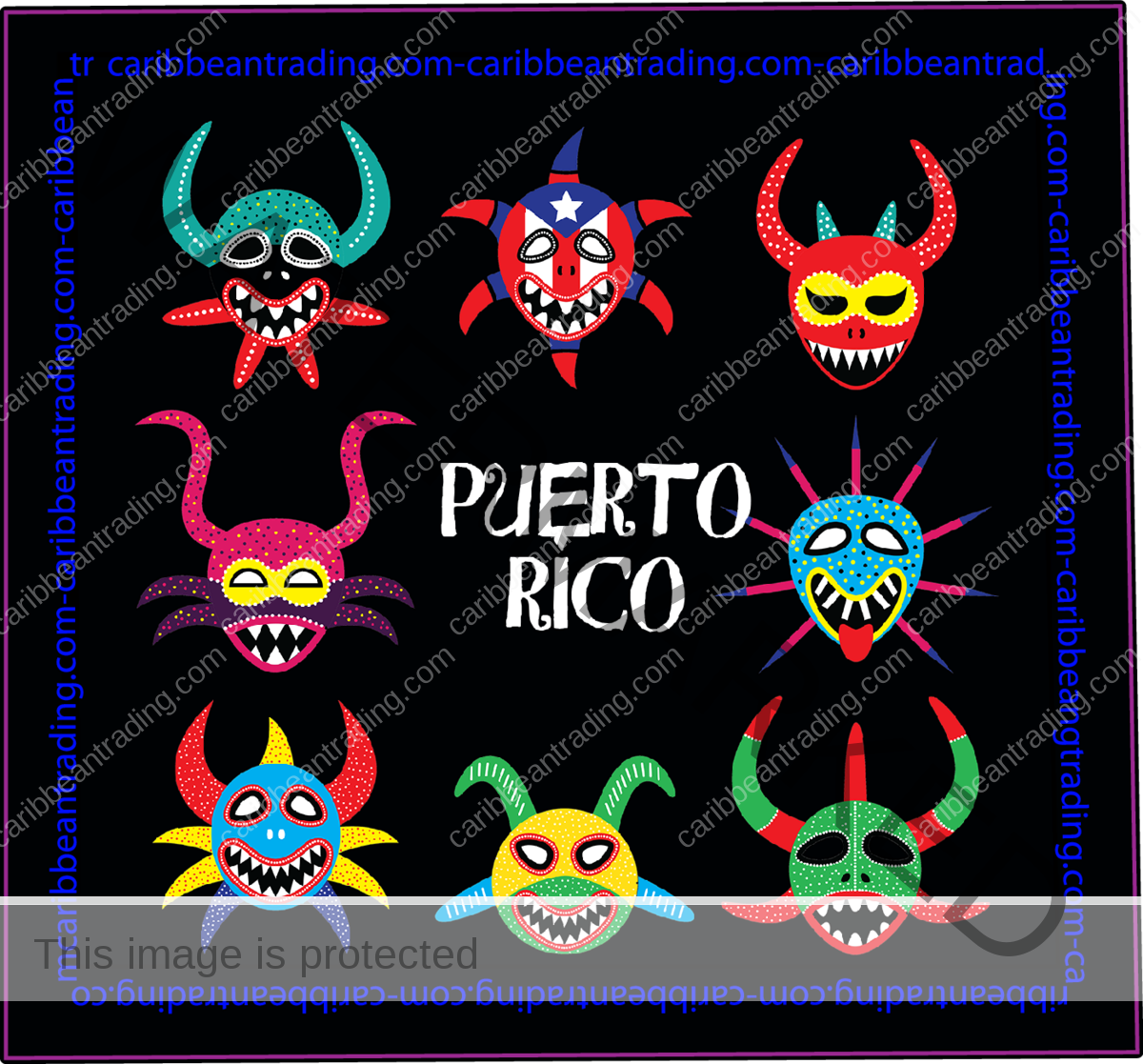
One of the most colorful and vibrant aspects of Puerto Rican folk art is the creation of vejigante masks. These masks are central to the island’s carnival celebrations, particularly during the Fiestas de Santiago Apóstol in Loíza and Ponce.
The vejigante is a mythical creature, often depicted as a mischievous demon or protector, depending on the interpretation. Traditionally, they’re made from coconut husks or papier-mâché and are decorated with bright colors, horns, and elaborate designs. Artisans hand-paint each mask, making no two masks alike.
Today, these masks have become popular souvenirs, but they still hold deep cultural meaning in Puerto Rican festivals, symbolizing the island’s blend of indigenous, African, and European influences.
Although many visitors purchase vejigante masks as souvenirs, authentic handcrafted masks remain an important artistic tradition. Their colors, number of horns, and decorative patterns often vary by region and by the individual artisan who creates them.
3. Basket Weaving
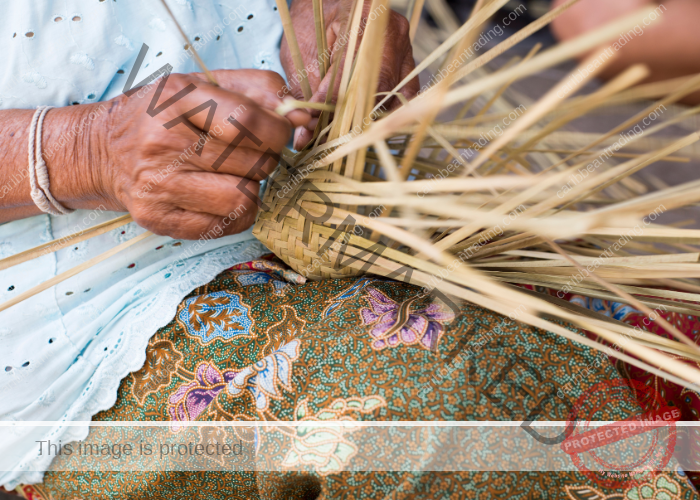
Basket weaving is another longstanding Puerto Rican craft, using natural fibers and plant materials to create both functional and decorative objects. Traditional weaving practices are connected to the island’s broader history of working with locally available materials.
Artisans continue to create baskets, hats, bags, and other woven pieces by hand. The craft is especially important as an example of how practical skills can become part of a community’s artistic and cultural heritage, with techniques passed from one generation to the next.
4. Textiles and Embroidery
The textile traditions of the island are very well known. Weaving and embroidery have a huge role in the island. During the colonial era, women were taught to sew and embroider. Since that time, this tradition has been passed to their daughters. Isn’t that impressive?
It was mostly used to create tablecloths, napkins and bedding items. The art of mundillo (a form of bobbin lace) is one of the most intricate and beautiful textile traditions of the island to learn about! Artisans create mundillo lace by meticulously weaving fine threads around bobbins to form delicate patterns.
5. Ceramics and Pottery
Puerto Rican pottery dates back to the Taíno period, with early inhabitants creating clay vessels for cooking, storing food, and ceremonial purposes. Today, Puerto Rican potters continue this ancient tradition, crafting both functional and decorative pieces.
Artisans typically use local clays, which they mold into pots, plates, and other objects. Many of these pieces are adorned with traditional Taíno symbols or designs that reflect the island’s natural beauty, such as seashells, leaves, and animals.
Pottery is also a popular medium for creating souvenirs, with artists producing a variety of items that capture the essence of Puerto Rican culture.
The Cultural Significance of Puerto Rican Handicrafts
Puerto Rican handicrafts are more than decorative objects; they are a visible expression of the island’s cultural identity. Their meaning often comes from the combination of material, technique, subject, and the tradition behind the finished piece.
A carved santo can represent religious devotion and folk-art traditions. A vejigante mask connects craftsmanship with festivals and regional identity. Woven goods and textiles demonstrate how practical skills have become part of Puerto Rico’s artistic heritage.
Handicrafts also help preserve knowledge that could otherwise disappear. When experienced artisans teach techniques to younger generations, they pass on more than a method of making an object. They preserve stories, symbols, skills, and connections between communities and their cultural past.
For visitors, buying a locally made craft can therefore be more meaningful than purchasing a generic souvenir. The piece can serve as a tangible connection to Puerto Rican culture while also supporting the artisans who continue these traditions.
As a result, many artisans have been able to sustain their livelihoods through their craft, keeping their traditions alive while contributing to the local economy. Our store at Caribbean Trading has some products 100% made at the island that you’ll want to check out!
Modern Innovations in Puerto Rican Handicrafts
While the whole tradition of Puerto Rican handicrafts is important and classic, many artisans are embracing current trends to enhance their craft. This isn’t a bad thing or changing the old ways, it’s actually good! It can help many artists to develop even better and more amazing creations!
Some artisans are experimenting with new materials, which usually include recycled plastics and metals, creating environmentally sustainable souvenirs. Others prefer to use modern techniques in their paintings, mixing old and new styles to appeal to wider audiences. In the end, it’s all about taste!
Digital markets aren’t out of the equation either! The rise of online marketplaces has helped artisans significantly, providing extra visibility and reaching new customers from all over the world. Sites like Etsy and local festivals around the island help creators showcase their creations, appealing to wide audiences.
Conclusion
Puerto Rican handicrafts are a vibrant reflection of the island’s rich history, diverse culture, and creativity. There are many things to list that you must see from this island! Complex wood carvings, colorful masks and more! Each piece tells a story of life that spans many years!
Puerto Rican artisans work hard to preserve this identity! While some techniques might change including modern techniques, handcrafts continue to be very valuable on the island, and will keep to be important for the generations to come.
It doesn’t matter what you prefer to visit: local festivals, religious gatherings, or simply looking to get a souvenir for your loved ones! All of these creations are great to learn about their history, bridging the past and present in a celebration of Puerto Rican artistry.
Remember our site has these amazing handicrafts and more, we you can find vejigante shirts, ornaments and a lot of cool gifts.
RELATED PRODUCTS