Caribbean Travel Tips, Puerto Rico Hot Spots
El Yunque Wildlife

Jun
El Yunque National Forest is home to one of the richest collections of wildlife in the Caribbean. Visitors can spot colorful birds, tiny coquí frogs, native lizards, freshwater creatures, and several endangered species found only in Puerto Rico. While you won’t see monkeys roaming the forest, you’ll have plenty of opportunities to observe unique rainforest wildlife if you take your time and watch carefully along the trails. This guide highlights the animals you may encounter during your visit to El Yunque and explains why this rainforest plays such an important role in protecting Puerto Rico’s biodiversity. Wildlife information is based on resources from the USDA Forest Service. Photo courtesy of the Puerto Rico Tourism Company. And don’t forget to visit our Caribbean Trading El Yunque store while you’re here!
Endangered Species
El Yunque National Forest protects several of Puerto Rico’s rarest wildlife species, including federally endangered animals found nowhere else in the world. Conservation and habitat restoration efforts have helped some populations recover, although several species remain at risk. These are some of the rainforest’s most remarkable protected animals:
The Puerto Rican Parrot (Amazona vittata) is one of the ten rarest birds in the world and is only found on the Island of Puerto Rico. The island parrot population was estimated to number in the hundreds of thousands when first encountered during Columbus’ second voyage of discovery. It dropped to a low of 13 birds in 1975. After this date the population reached an estimated 47 birds in the wild, declining again to 23 birds after Hurricane Hugo in 1989. Currently the wild flock is climbing but challenges are many and its future still hangs in the balance.
The Puerto Rican Boa (Epicrates inornatus) is found throughout the island, and lives in El Yunque below an elevation of 1200 feet (365 meters). Although the recovery plan for the boa was approved in 1986, its ecology is only now being understood through research conducted by the USDA Forest Service International Institute of Tropical Forestry.
The Puerto Rican broad-winged Hawk (Buteo platypterus brunnescens) is a subspecies of the broad-winged hawk and is found in isolated mountain areas preferring to hunt from lofty perches. This hawk’s prey consists of frogs, lizards, other birds and insects. As of 1992 its population on the island was estimated at approximately 124 individuals. The cause of its decline has been due to forest destruction and habitat loss due to construction.
The Puerto Rican Sharp-shinned hawk (Accipiter striatus venator)– another subspecies of the sharp-shinned hawk–is a small forest hawk. Currently it is restricted to five isolated mountain-forest areas. Primarily it feeds on small birds. If you are fortunate you may see one streak by in the forest. Nest failures, deforestation, and habitat loss due to construction have played a significant role in the decline of this species.
Non-native Invasive Species
Invasive species are animals that were introduced to Puerto Rico and can negatively affect native wildlife. In El Yunque, visitors may encounter mongooses, rats, feral cats, and stray dogs. These animals can prey on native birds, reptiles, and amphibians, so the Forest Service actively manages their populations to help protect the rainforest’s unique ecosystem. If you notice invasive animals behaving aggressively or threatening wildlife, notify Forest Service personnel.
Wildlife Species
Coqui frogs/Lizards/Insects
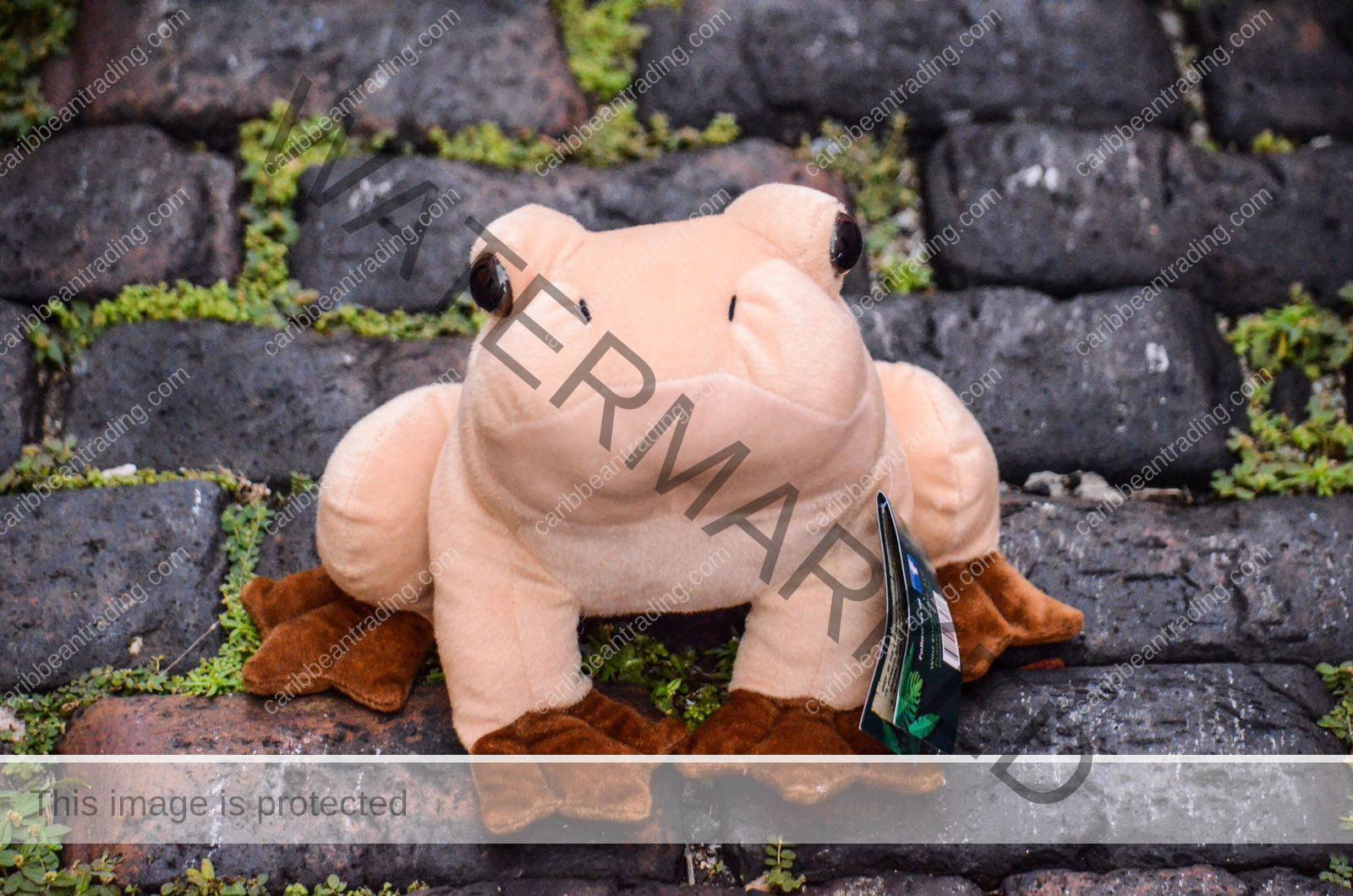
Coqui frogs are plentiful and considered a national treasure on the forest. There are currently 16 species of coquis. These tree frogs are endemic (only found) in Puerto Rico. A satellite population of coquis has recently been discovered in Hawaii possibly transported there in plants.
There are about 14 different lizard species that make the EYNF their habitat. They can be seen on the various forms of vegetation once you enter the forest.
Insects are an important part of the ecology of the EYNF and the diversity of these creatures throughout the forest will astound any insect enthusiast. At one research site alone, a list of 1,200 insect species was collected; ranging from ants to beetles to flies.
Neotropical Migrant Birds
These migratory birds breed in North America and migrate to the south for the winter. Approximately 35 species of these migratory birds either winter or pass through El Yunque during this season. They contribute significantly to the total animal diversity of the forest. The recent decline in the population of migratory birds throughout North America, Mexico, Central America, and the Caribbean is of growing concern. Major causes of declines in the populations of many of these species are believed to stem from the fragmentation of North American breeding habitat; also the loss of wintering habitats in Mexico, Central and South America, and the Caribbean.
For more information:
https://avesdepuertorico.org/ingl_site/index.htm
Aquatic Creatures
Rivers and streams provide aquatic habitats for organisms that are important elements of the forest’s biological diversity. Most perennial (flowing year-round) and many ephemeral (flowing in short periods, yearly) streams on the forest support many aquatic species, including: seven species of fish, nine species of freshwater shrimp, and 1 species of freshwater crab. For ecological as well as recreational reasons, the forest’s aquatic resource values are very significant. Within the forest boundary exists some of the most pristine and productive aquatic habitats remaining on the island. These nonrenewable resources are illegally fished with traps and spears. Harvest of these species are as yet unregulated, both on and off the forest. Monitoring surveys to determine their distribution, habitat needs, population status and trend are conducted regularly to protect these aquatic members of the forest’s family.
RELATED PRODUCTS