Caribbean History
Typical Dances of Puerto Rico
May
Puerto Rico’s traditional dances reflect centuries of cultural exchange between the Taíno people, African communities, and Spanish settlers. Each dance tells a different part of the island’s history, from the powerful rhythms of Bomba to the elegance of Danza and the global influence of Salsa and Reggaetón. Whether performed at festivals, community celebrations, or cultural events, these dances remain an essential expression of Puerto Rican identity.
Some of the most famous Puerto Rican dances include Bomba, Plena, Danza, Salsa, and Reggaetón. Bomba is the island’s oldest musical and dance tradition, deeply rooted in African heritage, while Danza reflects strong European ballroom influences. Together, these styles showcase the cultural diversity that defines Puerto Rico.
What Are the Most Famous Puerto Rican Dances?
Music is undeniably central to the history and culture of Puerto Rico. Both have acted as a means to record the Island’s history, resist oppression, and bring together Boricuas throughout Puerto Rico and the diaspora. These musical traditions remain an essential part of Puerto Rico’s cultural heritage and continue to influence artists around the world.
Puerto Rico’s vibrant array of dance styles provides something for all, ranging from the dynamic rhythms of salsa and the cultural foundations of bomba and plena to the fluid grace of danza and the lively pulse of reggaeton.
1- Bomba
Bomba is old, really old—like, we’re talking 1600s. For centuries, Bomba has remained one of Puerto Rico’s most important cultural traditions. Brought over with enslaved Africans under Spanish rule. But the thing is, calling it a “dance” feels too small. It’s more like… a duel? A conversation? The dancer steps out, throws a move, and the drummer has to follow, match it. That big barrel drum, the barril, sets the tone, but funny enough, it’s reacting, not leading.
The skirts, the colors, the sharp steps—it all makes the show pop. Men keep it simple, white shirts, white pants. Women spin with wide skirts, using the fabric almost like an extra instrument. And still today, at festivals or town gatherings, you’ll find Bomba going strong. It’s resistance, really. A way of saying: this part of our bloodline, it didn’t disappear.
2- Plena
Then there’s Plena. Came around the early 1900s, down in Ponce. Folks called it “the sung newspaper.” Makes sense—it carried gossip, news, politics, all put into rhythm. No radios? No problem. People sang it in the streets. It’s one of the dances of Puerto Rico you gotta learn about.
The instruments are simple but powerful: panderos, guiro, maybe a guitar. The moves are lively, sometimes almost silly, because they’re tied to the story being told. Dancers go in pairs or groups, no set rule really—just follow the beat, improvise, jump in. Plena still works as both music and social voice. You’ll see it in parades, protests, festivals. Always relevant, always around.
3- Salsa
And then, of course, Salsa. Everyone argues—is it Cuban? Is it Puerto Rican? Truth is, both. In New York during the 60s and 70s, Puerto Ricans shaped it heavily, mixing son, mambo, even Plena and Bomba. It’s one of those traditional dances of Puerto Rico many people love.
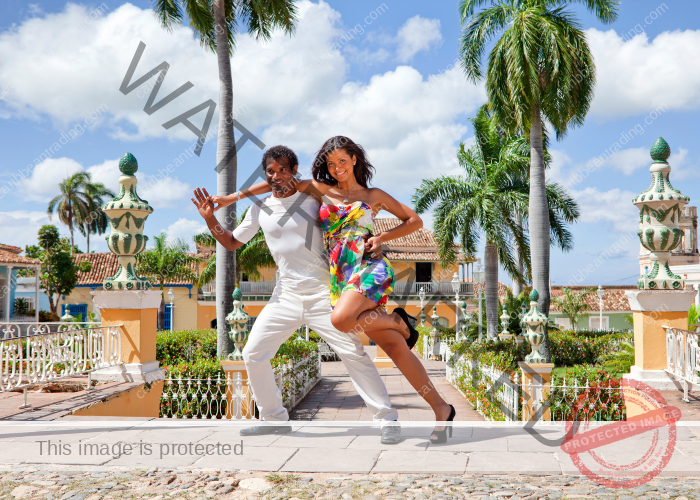
On the dance floor, it’s electric. Fast feet, spins, dips—you get dizzy just watching sometimes. Couples connect, break apart, come back together, like acting out little stories with rhythm. And the music? Layers of brass, percussion, strings, all tangled into something irresistible. Puerto Rico really made Salsa a lifestyle. Stars like Héctor Lavoe or Willie Colón aren’t just remembered here—they’re legends worldwide. You go to a Salsa festival on the island and, wow, you feel the heartbeat of the place.
4- Belly Dance
Here’s a curveball: belly dance. Not Puerto Rican originally, nope—it came from the Middle East. But the island, being what it is, welcomed it and made space. Those hip scarves with coins, the beads, belly dance accessories, the jingling sound—they catch your eye and your ear.
What’s interesting is, in Puerto Rico, performers often tweak the costumes. They add custom embroidered patches, symbols, sequins, little personal details. It’s a global art adopted locally, with a new twist. You’ll catch it in festivals or classes across the island, a reminder that Puerto Rico doesn’t close the door on outside influences.
5- Danza
Now, shift gears—Danza is nothing like Bomba or Salsa. Way more formal, graceful. Came from Europe’s waltzes and polkas back in the 1800s. For a long time, it was the dance of the wealthy classes, the ballroom kind of thing.
The music is smooth, melodic, orchestral—lots of strings and piano. Couples glide across the floor with controlled steps, not wild improvisations. One famous Danza, “La Borinqueña,” actually became Puerto Rico’s national anthem. That says it all. Danza is quieter but still central, a piece of heritage showing the island’s European side.
6- Reggaeton
The caribbean famous landmarks can be found all around the region. Some of them are in Puerto Rico, the home of Reggaeton, the modern giant. Started in the 90s, mostly underground in San Juan neighborhoods. It fused reggae, hip-hop, dancehall, Latin rhythms, and gave the world the dembow beat. Once you hear it, you can’t un-hear it.
The dancing? Bold, sometimes even scandalous. Heavy on hips, close movements, club vibes. Definitely not ballroom material. But that’s exactly why it spread so fast. It spoke for a younger crowd, a generation. Today, you can’t talk about global music without Daddy Yankee, Bad Bunny, Ivy Queen—all Puerto Rican. The genre moved far beyond the island, but it still carries that Boricua stamp.
Conclusion
Puerto Rico’s traditional dances preserve centuries of history, identity, and cultural expression. From the powerful improvisation of Bomba and the storytelling of Plena to the elegance of Danza and the worldwide popularity of Salsa and Reggaetón, each style represents a different chapter of the island’s heritage.
Whether you’re visiting Puerto Rico for the first time or exploring its culture from afar, experiencing these dances offers a deeper understanding of what makes the island unique. They’re not simply performances—they’re living traditions that continue to bring communities together across generations.
RELATED PRODUCTS