Caribbean Lifestyle
How to Stay Cool While Tanning: Tips & Tricks
Sep
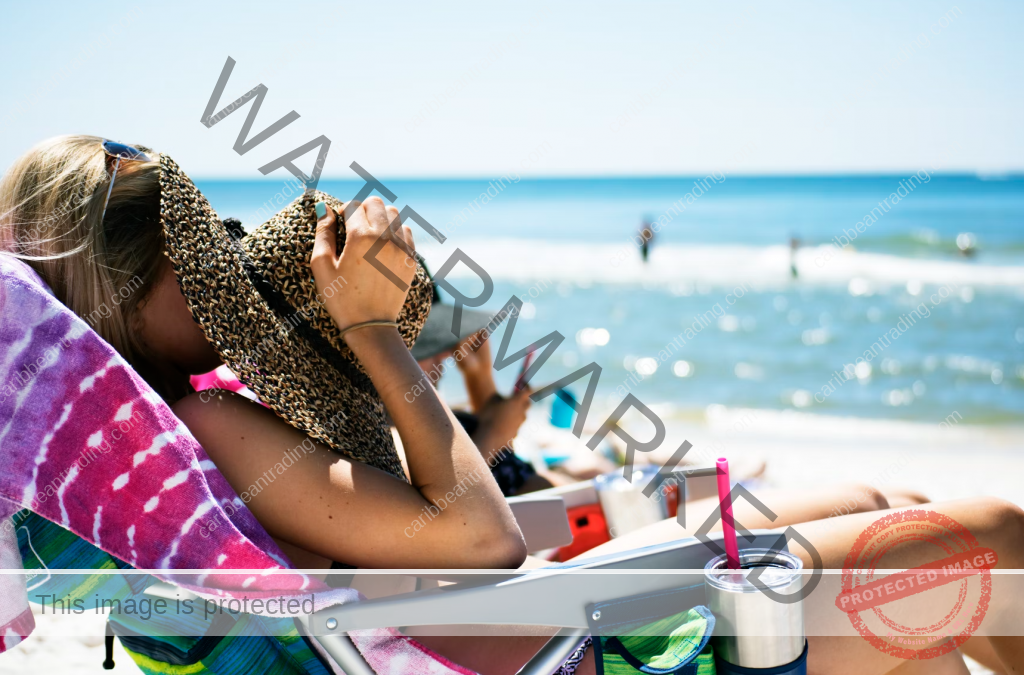
Puerto Rico and the Caribbean are ideal for beach days, but spending hours in the sun can leave you overheated or sunburned. The safest approach is to combine shade, hydration, sun protection, and regular breaks from direct sunlight. Here are seven practical ways to stay cool and comfortable while spending time at the beach.
How to Stay Cool While Tanning
Going to the beach is fantastic. Getting a nice tan, playing in the water or on the sand. But while people do that, the sun hits someone from above. In order to prevent overheating or being sunburnt, professionals recommend using protection and products such as:
Wear Hats and Sunglasses
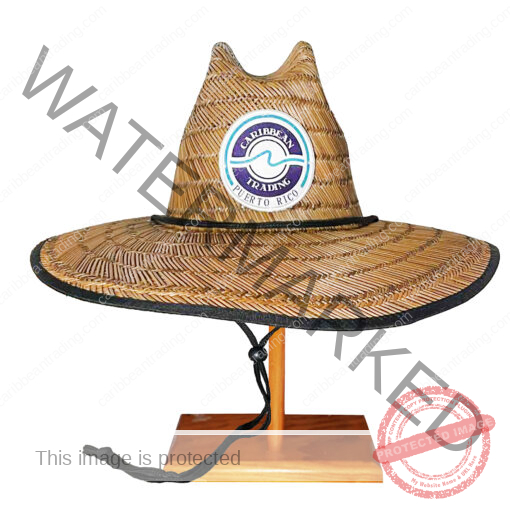
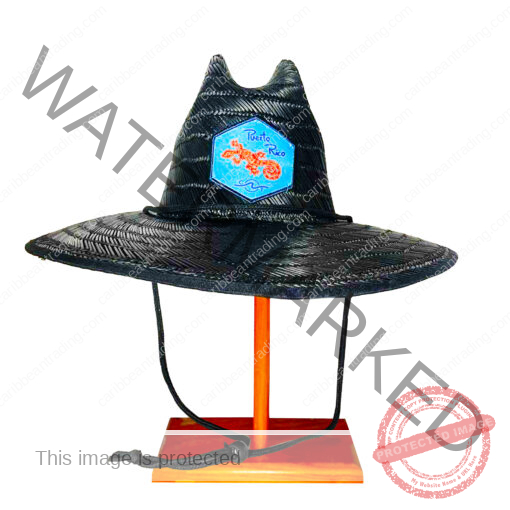
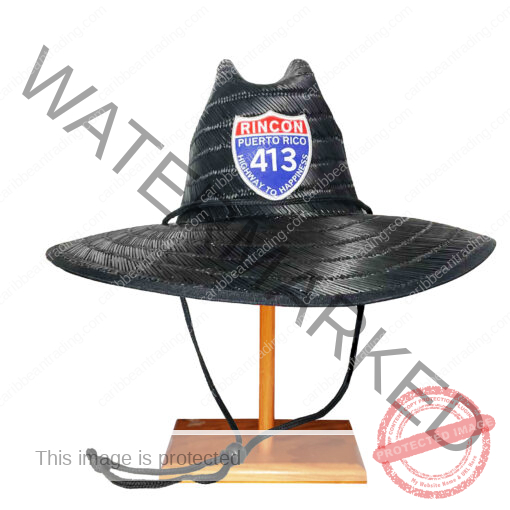
Hats and sunglasses help protect areas that are often exposed to the sun, including the face, ears, neck, and eyes. Choose a wide-brimmed hat when possible and sunglasses that provide UV protection. A hat and sunglasses work together as part of a broader sun-protection strategy.
Look for sunglasses that provide UV protection against both UVA and UVB rays. Polarized lenses can also reduce glare from bright surfaces such as sand and water, making them more comfortable for beach activities.
Use Sunscreen
Every doctor will tell their patient to use sunscreen when visiting the beach. Not everyone is aware that skin care is extremely vital. Not taking the necessary measures can end up in skin illnesses such as cancer.
Protecting the skin from UV rays is also a great way to cool down the skin. There are many types of sunscreen, adapted to each skin and SPF (sun protection factors). Other protectors like body and lip balms can help to cover sensible parts of the body from the sun.
Drink Water
Water not only is healthy, but also an awesome way to stay hydrated and cool. Fruit infused water, such as cucumber, lemon or strawberry ones can also give a nice touch.
Cold, non-alcoholic drinks can also make a hot beach day more comfortable. Water should be the main choice for staying hydrated, especially when spending a long time outdoors or sweating.
Get in the Water
Getting into the water can provide temporary relief from the heat, but it does not protect your skin from UV radiation. Water can also reflect sunlight, so continue using sun protection and take regular breaks in the shade.
If you cannot get into the water, a spray bottle filled with cool water can provide temporary relief. For a longer beach day, combine cooling breaks with shade, hydration, and protection from direct sunlight.
Use Cooling Towels
A cooling towel can provide another simple way to feel more comfortable on a hot beach day. Follow the product instructions, which generally involve wetting the towel and placing it around your neck or on another comfortable area of the body.
Cooling towels can provide temporary relief, but they work best alongside shade, hydration, and regular breaks from direct sun.
Use Ice
Ice can help keep drinks and cooling supplies cold during a beach day. Instead of placing ice directly on your skin, use cool water, a cooling towel, or a wrapped cold pack for temporary relief. A portable cooler can also keep water and other non-alcoholic drinks chilled throughout the day.
Use a Timer
A phone timer can help you keep track of how long you have been outside and remind you to take cooling or shade breaks. Do not use a timer to extend your time in the sun or to try to achieve an even tan. There is no safe or healthy tan from UV exposure, and a tan is a sign of skin damage.
Best Hours to Go to the Beach

There are some hours and moments where going to the beach has to be avoided. It depends on each person’s liking, but specialists recommend avoiding it from 10am to 4pm. This is the worst moment to go because the sun is high.
The best moments to visit the beach are the early morning and afternoon. Enjoying the sunrise provides wonderful scenery, and the sun isn’t dangerous. The places are oftenly empty due to the hour, so there will be plenty of space.
Later in the day, UV levels may be lower than around midday, but sun exposure can still cause skin and eye damage. If you spend the afternoon at the beach, continue using sun protection, take breaks in the shade, and check the local UV Index.
Extreme Tanning Symptoms
While it makes people look better or gives a refreshing look, tanning has actually no health benefit. There are some noticeable symptoms that everyone needs to address. Noticing any of these issues means the body is overheating and suffering from extreme tanning:
- Dehydration: being exposed to the sun for a long period and not drinking enough water will lead to the body getting dehydrated.
- Heatstroke: heatstrokes can be fatal. They can affect organs like the heart or kidney in its most risky form.
- Weakened Defenses: excessive exposure to the sun causes the immune system to be weakened. This makes people more prone to different types of illnesses.
Detecting and Treating Sun Damaged Skin
For those that were exposed too much time to the sun UV rays without knowing the problems it can carry, there are some things to address. Human skin undergoes certain changes in order to protect the body from the sun.
Photoaging
Constant exposure to UV rays can prematurely age the skin. The damages it provokes are known as photoaging. These can cause wrinkles, irregular skin pigmentation and freckle spots called lentigines. These spots are yellowish and have a leathery and rough skin texture.
Actinic Keratoses
Actinic Keratoses are the given name to precancerous growths that appear from long exposure to sunlight. Their color varies from pink to red and sometimes from black to brown. They have a rough and scaly texture.
Skin Cancer
Not applying sunscreen or taking the necessary measures to keep safe from the sun can develop skin cancer. The higher the exposure is to the sun, the higher likely the risk of having problems. Squamous cell carcinoma, basal cell carcinoma and malignant melanoma are the common ones.
This cancer is frequent during childhood and adolescence, as well as for those who are permanently exposed to the sun. This applies to athletes, farmers, sailors, ranchers and sunbathing enthusiasts.
Treating the Problem
The best way to minimize sun damage is a good prevention. Protective clothing and sunscreen are the most useful and effective ways. When the damage is done, it is very difficult to reverse it.
Moisturizing creams can temporarily deal with wrinkles, and makeup can hide skin color marks and imperfections. However, deep damage needs a more significant and expensive treatment to reduce the issue.
Chemical peels, alpha-hydroxy acids, laser skin resurfacing and tretinoin creams are the most known treatments to improve cosmetic appearance.
When it comes to more developed issues than cosmetic ones such as Actinic Keratoses or skin cancer, it is a complex situation and going to a doctor for further details is vital.
Oftenly, treatment for skin cancers is surgery. The scar size left after the intervention varies depending on how early the problem was addressed. More invasive ones may require larger amounts of skin to be removed. This means some skin parts will be replaced or transferred from an adjacent area.
Conclusion
It would be a sin to go to the Caribbean and not visit any of its beaches. Since it is the most appealing attraction of the region, beaches are oftenly crowded with people. This increases the chances of people getting sunburnt due to a high exposure to the sun.
Now that you know how to stay cool while tanning, in order to prevent skin damage, there are different methods such as sunscreen and protective clothing. Keeping the body cool with towels or ice are other effective options to avoid overheating.
If any of those measures are not taken, certain skin problems may develop, and in some cases, they are not reversible.
RELATED PRODUCTS