

Caribbean Business
How to Export Products from Puerto Rico to the United States
Jan
Exporting goods from Puerto Rico to the United States mainland may seem straightforward because Puerto Rico is a U.S. territory, but there are specific legal, logistical, and regulatory steps that businesses must understand to do it effectively and compliantly. For companies aiming to tap into the vast U.S. market from Puerto Rico, knowing the rules and processes ahead of time can save time, money, and operational headaches.
Puerto Rico’s export economy is heavily focused on manufactured goods, especially pharmaceuticals and medical devices. Pharmaceuticals alone account for around 70 % of the island’s outbound trade, with medical equipment and related products forming another significant share of exports. Electronics and chemical products make up the remainder, though at a smaller percentage compared with the health sector. The primary destination for these exports is the U.S. mainland, which receives roughly three‑quarters of Puerto Rican export volume by value.
Why Puerto Rico Is Unique Within U.S. Trade
Although Puerto Rico is a U.S. territory, it occupies a special position in U.S. trade law. Legally, it is part of the United States customs territory, meaning shipments between Puerto Rico and the U.S. mainland are generally not treated as international trade subject to customs duties. This means that when you export from Puerto Rico to the continental U.S., those shipments aren’t charged traditional import tariffs.
Despite this, export procedures still apply, and data on exports must be filed for statistical and regulatory purposes. Companies exporting goods out of Puerto Rico must comply with the Foreign Trade Regulations (FTR), which include filing export information electronically through the Automated Export System (AES) whenever shipments exceed certain thresholds or include goods requiring special licensing.
Step 1: Classify Your Product and Identify Requirements
Before exporting any product, you need to know its classification under U.S. trade regulations. Products often fall under a Schedule B code or Harmonized System (HS) code that defines the goods and helps authorities understand what is being shipped. These codes determine whether your goods require special export licenses (for example, controlled items under the Export Administration Regulations (EAR)) or if they are exempt from typical filing because of their value or nature. While some transports between Puerto Rico and the mainland don’t trigger duties, export information is still required for goods with a value above certain thresholds.
This classification process can be technical. Many exporters use professional customs brokers or freight forwarders to ensure accuracy and compliance with AES and EAR requirements.
Step 2: Prepare the Necessary Documentation
Once you have classified your product, the next step is documentation. For exports from Puerto Rico to the mainland United States, the most important document is the Electronic Export Information (EEI) filed via the AES system. The EEI captures critical data about the shipment — including the exporter, consignee, value, weight, and classification codes — and this filing becomes part of official U.S. export statistics.
Exporters may also need commercial invoices, packing lists, bills of lading, and certificates of origin. If your product is agricultural or involves plant matter, additional certifications and USDA inspections may be required before goods can enter the mainland market.
Step 3: Understand Shipping Logistics
Even though Puerto Rico and the U.S. mainland are part of the same customs territory, shipping logistics can be complex, especially because of maritime rules, which apply to cargo shipments by sea.
The Jones Act (Merchant Marine Act of 1920) is a federal cabotage law requiring that goods transported by water between U.S. ports — including Puerto Rico and the continental U.S. — must travel on vessels that are:
- Built in the United States
- Owned by U.S. citizens
- Crewed by U.S. personnel
This law is designed to support the U.S. maritime industry, but it also increases the cost of sea shipments because U.S.‑compliant vessels are more expensive to operate than foreign flag ships.
For exporters, this means that shipping costs by sea from Puerto Rico to the mainland can be higher than international shipments to foreign ports, where foreign‑flagged vessels are permitted. High shipping costs influence pricing strategy and margins, especially for bulky or low‑value goods.
Step 4: Decide on Shipping Modes: Sea, Air, or Land
Exporters from Puerto Rico have several options for transporting goods:
Sea Freight:
This is often the most cost‑effective for heavy and bulk goods, especially manufactured products. However, because ships must comply with the laws for Puerto Rico‑to‑U.S. shipments, sea freight can be more expensive than expected.
Air Cargo:
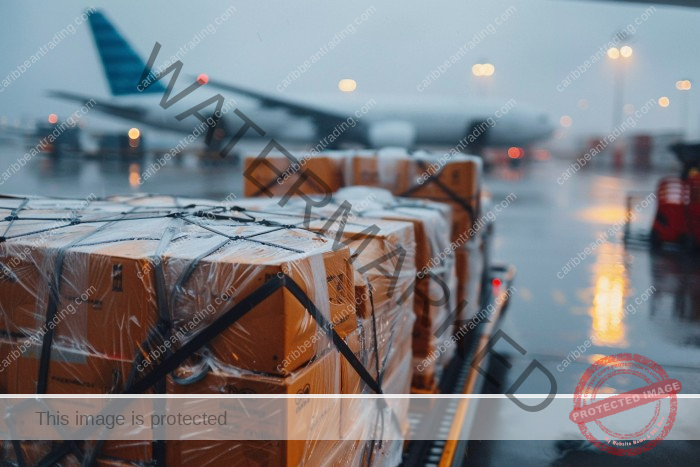
Shipping by air is faster but usually more expensive than sea freight. Many high‑value or time‑sensitive products — including some pharmaceuticals — choose air transport.
Courier Services:
Smaller shipments can go by carriers like FedEx, UPS, or USPS. Even though Puerto Rico is a U.S. territory, some carriers classify shipments differently for pricing. Using USPS often aligns with domestic rates and procedures.
When choosing modes, consider transit time, cost, product nature, and customer expectations. Many exporters use multimodal logistics, combining air and sea to balance cost and speed.
Step 5: Choose a Customs Broker or Logistics Partner
Even though duties aren’t charged for most Puerto Rico‑to‑U.S. shipments, the paperwork and regulatory requirements mean many businesses use professional help. A customs broker or freight forwarder with experience in Puerto Rican exports can:
- File EEI and AES documentation
- Advise on classification and licensing requirements
- Coordinate inspections and certificates
- Manage logistics and carrier selection
This support minimizes errors and customs delays, ensuring a smoother export experience.
Step 6: Legal Support for Jones Act and Maritime Compliance
The Jones Act creates specific maritime legal obligations. Even experienced exporters sometimes encounter complex issues related to compliance, route planning, and vessel selection. For businesses moving large quantities by sea, working with a Jones Act lawyer or maritime attorney can be valuable.
A Jones Act lawyer specializes in how cabotage law impacts domestic shipping and can provide guidance on:
- Contract terms with shipping providers
- Compliance audits for vessel requirements
- Dispute resolution if transport doesn’t meet legal standards
- Strategic planning around cost optimization given Jones Act constraints
Having legal expertise ensures your export operations adhere to maritime law — especially when transporting goods by sea is integral to your business strategy.
Step 7: Plan for Taxes and Local Puerto Rican Requirements
While the U.S. federal system considers most shipments from Puerto Rico to the mainland as domestic, Puerto Rico itself may impose its own consumption taxes or local fees on products leaving the island. It’s essential to understand these local tax impacts and factor them into your pricing and export cost calculations.
Meeting local Puerto Rican regulatory requirements — including any state‑level agricultural or health certifications — reduces the risk of shipments being held up or rejected at departure.
Step 8: Build a Market and Customer Network in the U.S.
Exporting is not just about logistics and paperwork; it’s also about demand. To succeed, Puerto Rican exporters often must:
- Research market needs on the mainland
- Comply with U.S. product safety standards and labeling requirements
- Offer competitive shipping terms
- Establish reliable distribution channels
Many companies find trade shows, e‑commerce platforms, and partnerships with U.S. distributors useful for growing their presence in the market.
Conclusion
Exporting products from Puerto Rico to the United States mainland presents unique opportunities and challenges. Because Puerto Rico is part of the U.S. customs territory, duties are typically not a core concern, but compliance with export documentation, filing systems like AES, and maritime laws are critical. With careful product classification, accurate paperwork, logistics planning, and the right legal and broker support, companies can build a successful export strategy that connects Puerto Rican producers with broader U.S. markets.
Whether you’re exporting pharmaceuticals, consumer goods, or specialized equipment, understanding these steps and regulations ensures you operate efficiently and compliantly — and positions your business for growth in one of the world’s largest markets.
RELATED PRODUCTS