Caribbean History, Caribbean Lifestyle
Street Scenes in the Caribbean: A Living Tapestry of Culture, Color, and Rhythm
Apr
When people think about the Caribbean, the first images that come to mind are usually beaches and resorts. However, the true essence of the region often lives far from the shoreline, right in its streets. Caribbean street scenes are dynamic, colorful, and full of personality. They reflect everyday life, shaped by history, community, and a rich blend of cultural influences.
Walking through a Caribbean town or city is an experience that engages all the senses. The streets are alive with movement, sound, and energy. From the rhythm of music playing in the background to the scent of freshly cooked food, everything contributes to an atmosphere that feels both vibrant and welcoming.
The Rhythm of Daily Life
Caribbean streets are a reflection of daily routines and social interaction. Life happens outdoors, and the streets become an extension of the home. People gather on sidewalks, chat with neighbors, and share moments that feel spontaneous yet deeply rooted in tradition.
It is common to see small groups of people playing dominoes, laughing, and discussing everything from local news to sports. Children often play freely, turning any open space into their playground. There is a sense of freedom and connection that is increasingly rare in more structured urban environments.
Transportation also adds to the rhythm. Buses, taxis, and motorbikes move through the streets, often accompanied by loud music. Even traffic feels different here, less rushed and more integrated into the flow of everyday life.
Street Food and Local Flavors
One of the most memorable aspects of Caribbean street scenes is the food. Street food is not just a quick option, it is a cultural experience. Recipes have been passed down through generations, combining flavors from Africa, Europe, India, and Indigenous traditions.
Vendors set up small stalls or carts, preparing dishes right in front of customers. The smells alone can draw you in from blocks away. Whether it is grilled meats, fried snacks, or fresh tropical fruits, the variety is impressive.
Some popular street foods you might encounter include:
- Jerk chicken cooked over open flames with a blend of spices
- Fried plantains served as a sweet or savory snack
- Doubles filled with curried chickpeas, especially in Trinidad
- Fresh coconut water served directly from the fruit
- Local pastries and fritters made with seafood or vegetables
Eating on the street is also a social activity. People gather around vendors, chat while waiting, and often share recommendations with strangers. It creates a sense of connection that goes beyond the food itself.
Colorful Architecture and Street Art
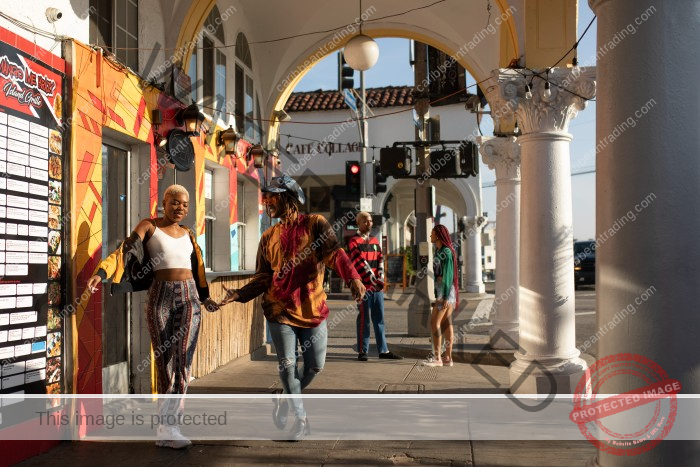
Caribbean streets are visually striking, filled with bold colors and unique architectural styles. Buildings are often painted in bright shades like turquoise, yellow, pink, and green. These colors reflect not only the tropical environment but also the region’s joyful and expressive culture.
You will find a mix of old and new structures. Colonial buildings with wooden shutters stand alongside modern constructions. In many areas, street art plays a significant role in shaping the visual identity. Murals decorate walls, telling stories about history, culture, and social issues.
Even small details like hand painted signs or decorative fences contribute to the overall charm. Every street feels like a canvas, with layers of creativity and meaning.
Music, Dance, and Spontaneous Energy
Music is everywhere in the Caribbean, and the streets are no exception. It flows naturally through daily life, creating a constant soundtrack. You might hear reggae, salsa, soca, or dancehall playing from homes, cars, or small shops.
This musical presence often leads to spontaneous moments of dance. People do not wait for formal events to celebrate. A good song can turn an ordinary moment into something memorable. During festivals, this energy becomes even more intense, with entire streets transforming into spaces of celebration.
Even outside of major events, music helps define the atmosphere. It connects people, sets the mood, and reinforces cultural identity.
Markets and Street Commerce
Markets are central to Caribbean street life. They are busy, colorful, and full of activity. Vendors sell fresh produce, spices, handmade goods, and everyday essentials. These markets are more than just places to shop, they are important social spaces.
Walking through a market, you will notice how vendors interact with customers. There is often a friendly tone, sometimes playful, as people negotiate prices or recommend products. This interaction makes the experience feel personal rather than transactional.
Street commerce also plays a vital role in the local economy. Many families depend on small businesses and informal trade. Supporting these vendors helps sustain communities and preserve traditional practices.
Community and Human Connection
What makes Caribbean street scenes truly special is the strong sense of community. People are open, friendly, and willing to engage. It is not unusual for a simple question to turn into a longer conversation.
Public spaces are used for gatherings, celebrations, and everyday interaction. Whether it is a small neighborhood event or a larger cultural festival, the streets bring people together. This sense of belonging is one of the most defining features of the region.
Visitors often notice how easy it is to feel included. Even without knowing the language or customs, the warmth of the people creates an immediate connection.
Contrasts and Real Life
Caribbean streets are not only about beauty and energy. They also reflect real life, including challenges. In some areas, infrastructure may be limited, and economic differences can be visible.
These contrasts are part of the experience. They show that the Caribbean is not just a tourist destination but a region with diverse realities. Understanding this helps create a more respectful and meaningful perspective.
By looking beyond the surface, visitors can appreciate both the strengths and the struggles that shape daily life.
Other Activities You Can Do in the Caribbean
Beyond exploring street scenes, the Caribbean offers a wide range of activities for different interests. Beaches remain one of the main attractions, with opportunities for swimming, snorkeling, and relaxing under the sun.
Nature is another highlight. Many islands have rainforests, waterfalls, and hiking trails that allow visitors to explore beyond coastal areas. Some destinations also offer eco tourism experiences, where you can learn about local ecosystems and conservation efforts.
Cultural activities are equally important. Museums, historical landmarks, and guided tours provide insight into the region’s past. You can also take part in cooking classes, music workshops, or local festivals to experience traditions in a more interactive way.
For those looking to unwind, there are wellness retreats, spas, and quiet resorts surrounded by natural beauty. Whether you prefer adventure or relaxation, the Caribbean offers a balance that makes every visit unique.
In addition to outdoor and cultural experiences, many visitors also explore digital entertainment options during their downtime. Online casinos have become increasingly popular, offering a convenient way to enjoy games from anywhere, whether you are relaxing in your accommodation or taking a break after a day of exploring. Some platforms feature promotions like a daily bonus, adding extra value and entertainment for users who enjoy this type of activity.
Conclusion
Caribbean street scenes offer far more than just a glimpse into daily life. They reveal the soul of the region through its people, flavors, sounds, and colors. Every corner tells a story, from lively markets to quiet neighborhood interactions, creating an experience that feels both authentic and unforgettable. While beaches and resorts may draw visitors in, it is the streets that leave a lasting impression. Combined with the wide range of activities available across the Caribbean, from nature exploration to cultural immersion and even modern digital entertainment, the region stands out as a destination that truly has something for everyone.
RELATED PRODUCTS