Uncategorized
What the 2026 FIFA World Cup Left Behind for North America and the Caribbean

Jul
The 2026 FIFA World Cup will be remembered as much more than a football tournament. For the first time in history, three countries, the United States, Canada, and Mexico, jointly hosted the world’s biggest sporting event, transforming North America into the center of global attention for more than a month.
While the matches produced unforgettable sporting moments, the tournament’s greatest legacy extends far beyond the stadiums. From tourism and infrastructure to regional cooperation and international visibility, the World Cup has reshaped how North America is perceived as a destination for major global events. Perhaps even more importantly, its influence has reached neighboring Caribbean nations, creating new opportunities that may continue long after the final whistle.
A New Era for Soccer in North America
For decades, soccer existed behind American football, basketball, baseball, and hockey in the United States and Canada. The 2026 World Cup demonstrated that the sport has firmly established itself as one of the continent’s fastest-growing passions.
Record attendance, vibrant fan festivals, and enthusiastic local communities proved that soccer has evolved from a niche sport into a mainstream cultural phenomenon. Cities embraced the tournament with public viewing areas, cultural events, and celebrations that attracted both international visitors and local residents. Even critics who questioned whether North America could successfully host such a massive event generally acknowledged the tournament’s positive atmosphere and organization.
Youth participation is also expected to grow. Historically, countries that host major sporting events often experience increased interest among children and teenagers. Local soccer academies, amateur leagues, and community programs across the United States, Canada, and Mexico are likely to benefit from the inspiration generated by the tournament.
Infrastructure Improvements Beyond the Stadiums
Although many stadiums already existed before the competition, preparing for the World Cup accelerated investments in transportation, hospitality, digital services, and urban infrastructure.
Host cities upgraded airports, expanded public transportation systems, improved visitor information services, and modernized surrounding neighborhoods. Hotels, restaurants, entertainment venues, and tourism operators also invested heavily in improving the overall visitor experience.
Unlike previous World Cups that required building entirely new stadiums, the North American model focused on maximizing existing facilities while improving the supporting infrastructure that benefits residents year-round. This approach has been widely viewed as more sustainable and financially responsible.
Tourism Benefits That Extend Beyond the Tournament
Major sporting events often serve as powerful marketing campaigns for entire regions rather than individual cities.
Millions of viewers watched broadcasts featuring destinations ranging from Mexico City and Vancouver to Dallas, Miami, Los Angeles, and Toronto. Every match became an opportunity to showcase local culture, architecture, cuisine, and attractions.
Even visitors who came primarily for football often extended their vacations before or after attending matches. Many combined sporting events with beach holidays, national parks, road trips, cruises, or cultural experiences.
This type of “sports tourism” continues to grow worldwide because travelers increasingly seek experiences rather than traditional sightseeing alone.
Why the Caribbean Also Benefited
Although no Caribbean nation hosted World Cup matches, the region still experienced indirect advantages.
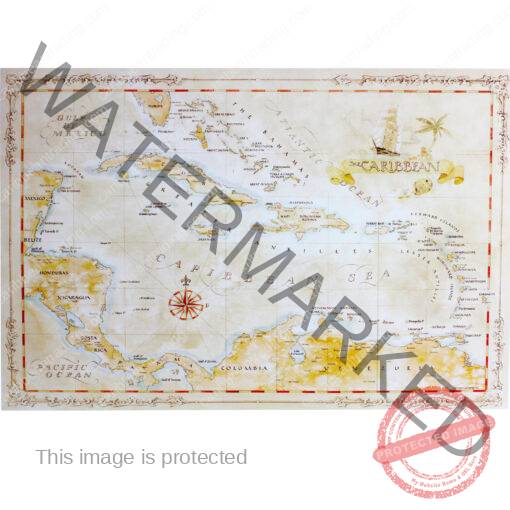
Many international travelers visiting North America viewed the Caribbean as a convenient extension of their vacation. Short flights from major U.S. cities to destinations such as Jamaica, the Dominican Republic, The Bahamas, Puerto Rico, Aruba, Curaçao, and Barbados made combining the World Cup with a tropical getaway an attractive option.
Cruise companies also benefited by promoting Caribbean itineraries before and after tournament dates, giving football fans additional vacation choices.
For travelers from Europe and South America, a single long-haul flight to North America became an opportunity to explore multiple destinations during one trip, making Caribbean islands more accessible than ever.
Increased Regional Connectivity
One often overlooked consequence of hosting mega-events is improved transportation connectivity.
Airlines expanded seasonal routes, increased flight frequencies, and introduced additional services between North American cities and nearby Caribbean destinations to accommodate increased passenger demand.
Some of these routes may remain profitable even after the tournament ends, making future travel easier and potentially more affordable.
Greater regional connectivity benefits not only tourists but also business travelers, conferences, sporting competitions, and cultural exchanges.
A Stronger Image for North America
Hosting one of the largest sporting events on Earth is also a branding opportunity.
North America demonstrated its ability to organize a complex multinational event involving millions of visitors, dozens of host cities, and extensive international coordination.
The successful collaboration between three countries highlighted regional cooperation rather than competition. This model may influence future multinational sporting events and large-scale tourism initiatives.
The World Cup also reinforced the region’s reputation for diversity. Fans experienced different cultures, languages, cuisines, climates, and traditions while traveling across the continent.
Economic Opportunities Beyond Match Days
The economic impact of a World Cup extends well beyond ticket sales. Hotels, restaurants, transportation companies, retailers, tour operators, event organizers, and countless small businesses benefited from increased visitor spending.
The tournament also generated increased activity across digital industries, including streaming platforms, sports media, merchandise sales, and online crypto sports betting, reflecting the continued evolution of how fans engage with major sporting events. Analysts projected the tournament would generate tens of billions of dollars in economic activity across North America, although experts note that the long-term impact varies by city and depends on sustained tourism and investment after the event. Many cities also gained valuable experience hosting international visitors, strengthening their ability to attract future conventions, concerts, sporting events, and business meetings.
Lessons for Future Sporting Events
The 2026 World Cup demonstrated that mega-events no longer have to rely exclusively on new stadium construction to create lasting benefits.
Instead, improving transportation, digital infrastructure, visitor services, and regional collaboration may produce longer-lasting value than expensive venues alone.
The tournament also highlighted the growing importance of sustainability, smart city technology, multilingual visitor services, and efficient transportation systems in modern tourism.
Future hosts around the world will likely study North America’s approach when planning their own international events.
What It Means for Caribbean Tourism
For Caribbean tourism professionals, the World Cup reinforced an important lesson: regional partnerships create opportunities.
Rather than competing directly with larger destinations, Caribbean islands can position themselves as complementary experiences.
Visitors attending conferences, sporting events, or cultural festivals in North America increasingly look for nearby destinations where they can relax afterward. The Caribbean offers exactly that combination of accessibility, tropical scenery, luxury resorts, adventure tourism, and rich cultural heritage.
By strengthening air connections, cruise itineraries, and joint tourism marketing campaigns with North American cities, Caribbean destinations can continue benefiting from the increased international visibility generated by events of this scale.
Looking Ahead
The legacy of the 2026 FIFA World Cup is not measured solely by trophies or memorable matches. Its greatest contribution lies in demonstrating how sport can strengthen tourism, encourage international cooperation, improve infrastructure, and reshape the global perception of an entire region.
For North America, the tournament confirmed its ability to host world-class events while embracing football as an increasingly important part of its sporting identity.
For the Caribbean, it served as a reminder that proximity to major global events can create valuable tourism opportunities without hosting the competition itself. As regional travel continues to expand, stronger collaboration between North America and Caribbean destinations may become one of the tournament’s most enduring legacies.
RELATED PRODUCTS