Entertainment in the Caribbean
Caribbean DJ Culture: A Global Phenomenon
Sep
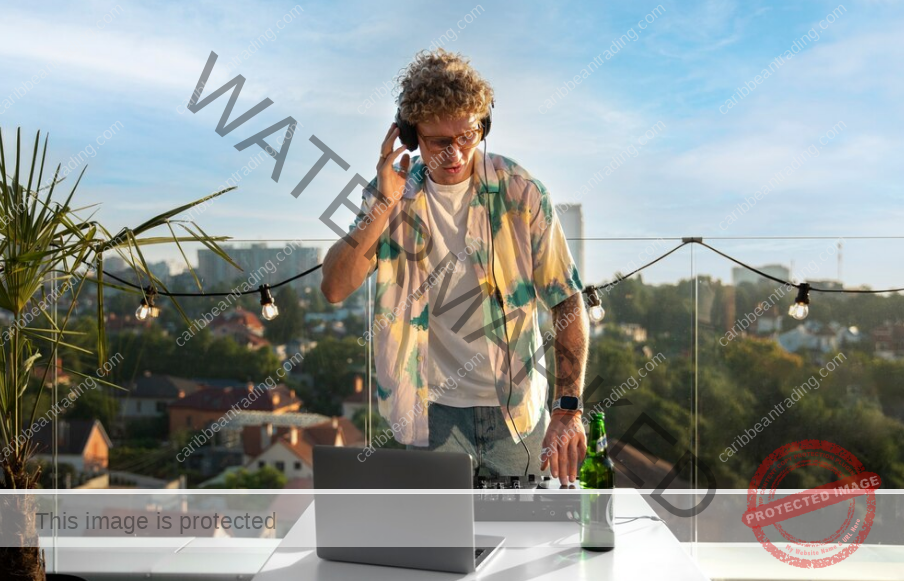
The Caribbean is often associated with stunning beaches, vibrant colors, and a laid-back atmosphere, but beneath the surface of its natural beauty lies an energetic and thriving music culture. At the heart of this musical renaissance are Caribbean DJs, who have elevated the region’s sound to a global phenomenon. From local parties to international music festivals, Caribbean DJ culture has become a driving force in shaping music trends, infusing tropical rhythms into every beat. This article dives deep into the world of Caribbean DJs and explores how their influence has transcended borders, transforming the global music scene.
Do you wonder how has Caribbean music and tourism influenced global culture? It has profoundly shaped global culture by exporting vibrant genres that influenced Hip-Hop, EDM, and Pop; popularizing island rhythms in dance (Zumba) and festivals (Carnival). This leads to cultural exchange, migration patterns, and unique cultural fusion. Besides that, it also blends economic growth with cultural exchange, redefining destinations as vibrant cultural hubs.
The Roots of Caribbean DJ Culture
When people talk about Caribbean DJ culture, they often jump straight to sound systems, turntables, or famous names. But honestly, that skips over a lot of what actually matters. Long before anyone called themselves a DJ, music in the Caribbean was already doing the work that DJs would later take on. It was connecting people, filling gaps, and turning ordinary moments into shared experiences.
Music wasn’t something you planned for weeks in advance. It happened when someone had a reason to gather. Birthdays, holidays, political moments, even grief. Drums, voices, clapping hands. African rhythms carried across generations mixed naturally with European melodies and instruments. Indigenous traditions added another layer, though they’re not always talked about enough. The result wasn’t neat or orderly, and that’s important. Caribbean music grew because it wasn’t boxed in.
Genres like reggae, calypso, dancehall, soca, zouk, salsa, and later reggaeton didn’t come from theory or classrooms. They came from lived experience. They changed when society changed. DJs stepped into that world not as outsiders, but as participants. In many cases, they were simply people who loved music and had access to equipment before others did.
In Jamaica especially, the rise of sound systems during the late 1950s and 1960s changed everything. These weren’t glamorous setups. They were loud, improvised, sometimes unreliable. Speakers stacked too high, cables taped together, generators humming in the background. But when the music started, none of that mattered.
Selectors didn’t just play songs. They chose moments. They watched the crowd closely, learning when to slow things down or when to push harder. At some point, talking over the records became part of the experience. Toasting wasn’t polished speech. It was commentary, humor, and confidence all rolled together. Looking back now, it’s easy to call it the foundation of rap. At the time, it was just what felt right.
What stands out most is how open it all was. You didn’t need permission to show up. If you heard the music, you followed it. That openness still defines Caribbean DJ culture today, even as technology has changed everything around it.
The Global Impact of Caribbean DJs
Caribbean DJs didn’t set out to change global music. Most were just trying to play good sets for the people in front of them. But migration has a way of carrying culture along with it. When Caribbean communities settled abroad, DJs were often at the center of social life.
House parties, community centers, small clubs. These were places where Caribbean sounds met new audiences. Sometimes the reaction was instant. Other times it took a while. DJs adjusted, experimenting with blends that felt risky at first. Some nights worked better than others. That trial-and-error process is rarely mentioned, but it mattered.
Over time, these sounds started leaking into mainstream spaces. Dancehall rhythms appeared in pop music. Reggae basslines showed up in hip-hop. Soca beats made their way into festival tracks. Often, these influences weren’t credited clearly, but they were there.
Big cultural events accelerated this process. Carnival in Trinidad and Tobago isn’t just a festival; it’s an explosion of sound, movement, and identity. DJs performing there aren’t background entertainment. They’re part of the engine. The same goes for events like Crop Over or the St. Lucia Jazz Festival. Visitors leave with the music stuck in their heads, whether they expect to or not.
Eventually, international festivals started paying attention. Caribbean-influenced DJs appeared on stages that once felt completely inaccessible. And yet, even in those massive settings, the music retained something intimate. Maybe it’s the rhythm. Maybe it’s the warmth. Whatever it is, audiences feel it.
The internet changed the pace of everything. Suddenly, a DJ didn’t need to travel to be heard. Uploading a mix could reach people across the world in hours. Some DJs gained international followings without ever leaving their island. That shift didn’t erase live culture, but it definitely reshaped it.
How Caribbean DJ Culture Influences Fashion and Lifestyle
It’s hard to separate Caribbean music from how people dress. In many ways, fashion is just another form of rhythm. DJs understand that, even if they never say it out loud. The way a DJ looks before pressing play already sends a message.
Bright colors, loose clothing, bold patterns. These choices aren’t random. They reflect heat, movement, and comfort. DJs often mix traditional elements with modern streetwear, sometimes without thinking too much about it. That effortless quality is what makes it influential.
You can see the impact at festivals far beyond the Caribbean. What started as practical and expressive becomes a “look” elsewhere. Sometimes it’s copied poorly. Sometimes it’s adapted creatively. Either way, the influence is clear.
Lifestyle matters just as much. In many Caribbean cities, nightlife doesn’t revolve around fancy venues. It revolves around who’s playing. A DJ can turn a quiet bar into the place everyone wants to be. Beaches, rooftops, streets — all of them become spaces for music when the moment feels right.
For travelers, these nights often stand out more than museums or tours. Dancing under open skies feels spontaneous, even if it’s planned. It feels real. And that’s why it sticks.
Other Nighttime Activities You Can Do During Your Trip to the Caribbean
Not every night needs to revolve around loud music or Caribbean djs. One of the strengths of the Caribbean is how many different moods it offers after dark.
1. Beach Bonfires
For a more laid-back evening, head to the beach for a bonfire. Many resorts and local communities host evening bonfires where you can roast marshmallows, listen to acoustic music, and enjoy the calming sounds of the waves crashing onto the shore. It’s a perfect opportunity to relax and soak in the natural beauty of the Caribbean under the stars.
2. Open-Air Markets
Night markets are busy without feeling rushed. Food, music, voices overlapping. You don’t need a plan. You just walk, look, and taste.
3. Stargazing
When the lights fade, the sky takes over. Stargazing in the Caribbean doesn’t feel educational. It feels personal. Quiet in the best way.
4. Casino
If you’re feeling lucky, the Caribbean offers several casino destinations where you can try your hand at games like poker, blackjack, and roulette. Islands such as Aruba, the Bahamas, and Puerto Rico are home to luxurious casino resorts that combine gambling with entertainment. Many of these casinos feature live performances by local artists, making it a lively experience for visitors looking to test their luck. If you are one of those who prefer to stay at the hotel, you also have many options such as the pokies online
5. Night Diving
Night diving feels like entering a different world. The ocean changes character after dark. It’s not something you forget easily.
6. Rum Tastings
Rum tastings slow things down. Learning how rum is made adds meaning to each sip. It’s less about drinking and more about understanding.
The Future of Caribbean DJ Culture
Caribbean DJ culture isn’t fading, but it is shifting. Younger DJs approach things differently. Some focus on preserving older sounds. Others blend genres freely. There’s space for both, even when opinions clash.
Technology will keep changing how DJs share their work, but the core remains the same. A DJ and a crowd, responding to each other in real time. That exchange can’t be automated.
At its heart, Caribbean DJ culture is human. It’s imperfect, adaptive, and deeply emotional. It doesn’t ask permission. It invites participation. And that’s why it continues to travel so far from its origins without losing itself.
As more people discover these sounds, the influence will keep spreading. Not loudly. Not aggressively. Just steadily, carried by rhythm and memory.
RELATED PRODUCTS