Caribbean Travel Tips
How to Protect Yourself from Heatstroke While on Vacation
Feb
Vacations are meant to be relaxing, exciting, and memorable. Whether you are walking through historic streets, hiking scenic trails, or spending long afternoons at the beach, warm weather is often part of the experience. However, high temperatures can quickly turn a pleasant trip into a serious health risk if you are not careful. Heatstroke and other heat-related illnesses are real dangers, especially during summer travel or when visiting hot destinations.
Learning how heat affects your body and understanding how to prevent heatstroke can help you stay safe and enjoy your time away.
What Is Heatstroke?
Heatstroke is the most severe form of heat-related illness. It occurs when the body temperature rises above 40°C or 104°F and the body can no longer regulate heat effectively. It is a medical emergency that requires immediate attention.
Under normal conditions, the body cools itself by sweating. Sweat evaporates from the skin and lowers body temperature. But when temperatures are extremely high, or when humidity is elevated, this cooling system becomes less efficient. If the body continues to overheat, vital organs such as the brain, heart, and kidneys can be damaged.
Heatstroke can develop quickly, especially during intense physical activity in hot weather.
Who Is Most at Risk?
Anyone can suffer from heatstroke, but certain groups face higher risk:
- Travelers who are not used to hot climates
- Children and older adults
- People with chronic illnesses
- Individuals taking medications that affect hydration
- Tourists doing strenuous outdoor activities
- People consuming alcohol in the sun
Vacation settings often combine several risk factors at once. You may walk more than usual, spend long hours outdoors, drink less water, or consume more alcohol than you typically would at home.
Early Warning Signs to Watch For
Recognizing symptoms early is essential. Heat exhaustion often comes before heatstroke and should not be ignored.
Common symptoms include:
- Heavy sweating
- Headache
- Dizziness
- Nausea
- Muscle cramps
- Weakness
- Rapid heartbeat
If heatstroke develops, symptoms may worsen and include:
- Very high body temperature
- Red, hot skin that may feel dry
- Confusion or disorientation
- Fainting
- Seizures
If someone becomes confused or loses consciousness in hot weather, seek emergency medical care immediately.
The Role of Sweating and Hyperhidrosis
Sweating is the body’s natural cooling mechanism. However, not all sweating is equal, and for some people, it can be excessive.
Hyperhidrosis is a medical condition characterized by abnormally excessive sweating that is not always related to heat or physical activity. People with hyperhidrosis may sweat heavily even in mild temperatures. While sweating itself helps regulate body temperature, excessive sweating can lead to faster fluid and electrolyte loss.
If you have hyperhidrosis and are traveling to a hot destination, you may be at higher risk of dehydration. This does not necessarily mean you will develop heatstroke, but it does mean you should be extra attentive to fluid intake and electrolyte balance.
Carrying extra clothing, using absorbent fabrics, and staying in air-conditioned environments when possible can help manage discomfort. Most importantly, drink water consistently throughout the day and consider electrolyte solutions if you are sweating heavily.
Plan Ahead Before You Travel
Preparation reduces risk significantly.
Research the Climate
Before departure, check average temperatures and humidity levels at your destination. Cities such as Dubai experience extreme summer heat, while destinations like Athens can have intense heatwaves during peak tourist season.
Knowing what to expect allows you to schedule activities safely and pack appropriate clothing.
Schedule Outdoor Activities Wisely
Avoid strenuous activities between 11 a.m. and 4 p.m., when the sun is strongest. Plan sightseeing early in the morning or later in the evening.
For example, if visiting Rome, explore outdoor landmarks early and spend midday hours inside museums, restaurants, or shaded areas.
Pack Smart
Bring:
- Lightweight and loose-fitting clothes
- Breathable fabrics such as cotton or linen
- A wide-brimmed hat
- UV-protective sunglasses
- Broad-spectrum sunscreen with SPF 30 or higher
- A reusable water bottle
Light-colored clothing reflects sunlight and helps keep your body cooler.
Hydration Is Essential
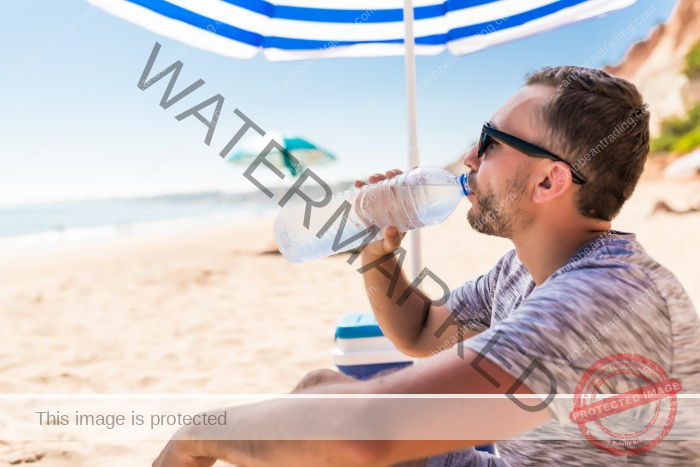
Dehydration significantly increases the risk of heat exhaustion and heatstroke. Do not wait until you feel thirsty to drink water. Thirst is often a late sign of dehydration.
While exact water needs vary, most adults require more than the typical two liters per day when exposed to high temperatures. If you are sweating heavily, especially if you have hyperhidrosis, your fluid needs may be even greater.
Electrolyte drinks can help replace sodium and minerals lost through sweat. However, avoid beverages high in sugar, as they can worsen dehydration.
Limit Alcohol Intake
Alcohol contributes to fluid loss and can impair judgment. During beach vacations in places like Cancún, it is common to enjoy cocktails in the sun. Alternate alcoholic drinks with water and avoid excessive consumption during the hottest parts of the day.
Use Sun Protection Effectively
Direct sunlight increases heat absorption. Protecting your skin also reduces the overall heat load on your body.
Apply sunscreen generously and reapply every two hours. Seek shade whenever possible. Beach umbrellas, trees, and covered terraces can significantly reduce exposure.
Remember that sand and water reflect sunlight, increasing UV intensity. Even if a breeze makes the air feel cooler, your body may still be overheating.
Take Frequent Breaks
Your body needs time to cool down. Incorporate rest periods into your daily plans.
If you feel fatigued, dizzy, or overly warm, stop and rest in a cool environment. Air conditioning is especially helpful in allowing the body to stabilize its temperature.
During hikes or outdoor tours, schedule regular shaded breaks and monitor how you feel.
Acclimatize Gradually
If you are traveling from a cooler region to a hot climate, your body needs several days to adjust.
During the first few days:
- Limit intense physical activity
- Increase water intake
- Spend shorter periods in direct sun
- Rest more frequently
Acclimatization helps improve your body’s efficiency in managing heat.
Protect Vulnerable Travelers
Children and older adults are particularly sensitive to high temperatures.
Children may not recognize symptoms and may continue playing even when overheated. Ensure they drink water regularly and take breaks.
Older adults may have reduced thirst perception or medical conditions that affect temperature regulation. Monitor them closely during outings.
Never leave anyone in a parked car, even for a short time. Interior temperatures can rise to dangerous levels within minutes.
What to Do If Someone Overheats
If you suspect heatstroke:
- Call emergency services immediately.
- Move the person to a cool or shaded area.
- Remove excess clothing.
- Apply cool water or cold compresses to the neck, armpits, and groin.
- Do not give fluids if the person is unconscious or confused.
Rapid cooling can be life-saving while waiting for medical help.
Enjoy Your Vacation Safely
Sunshine and warm weather can enhance your travel experience, but they require awareness and preparation. Heatstroke is preventable in most cases.
By staying hydrated, protecting yourself from direct sun exposure, recognizing early symptoms, and understanding how conditions like hyperhidrosis can increase fluid loss, you can significantly reduce your risk.
A safe vacation allows you to focus on what truly matters: exploring new places, relaxing, and creating lasting memories. Taking care of your health ensures that the only thing you bring home from your trip is great experiences.
RELATED PRODUCTS